A Practical Guide to Plumbing Services for Homes and Businesses
Read Time:7 Minute, 29 Second
Plumbing is one of those parts of a building that nobody thinks about until something goes wrong. A dripping tap, a slow drain or a shower that suddenly runs cold can quickly turn into water damage, high bills and disrupted routines. For businesses such as restaurants, salons, clinics and rental properties, a plumbing failure can also mean lost income and unhappy customers.
The good news is that most plumbing problems are predictable and many can be prevented. This guide explains the common jobs plumbers handle, the warning signs to watch for, when to call a professional, how to choose a reliable one, and simple habits that keep water flowing where it should.
Why good plumbing work matters
In many Kenyan homes and commercial buildings, plumbing systems combine mains supply, storage tanks, pumps, water heaters and septic or sewer connections. Each part depends on the others. A poorly fitted joint in a wall, a pump installed without the right protection or a drain laid at the wrong slope can cause problems that are expensive to uncover and fix later.
Quality workmanship at the start saves money and stress over the long run. That is why it pays to take time comparing providers of plumbing services, reviewing their experience and the kind of jobs they usually handle, before you hire someone for anything beyond a very small repair.
Common plumbing jobs
Leak detection and repair
Leaks can come from taps, pipe joints, valves, tanks and fittings behind walls. Visible drips are easy to spot, but hidden leaks often show up as damp patches, peeling paint, mould or an unexplained rise in water usage. A plumber can trace the source and replace worn washers, seals, fittings or damaged pipe sections.
Blocked drains
Kitchen sinks, bathroom basins, showers and floor drains often block because of grease, hair, soap residue, food waste and foreign objects. Plumbers use tools such as plungers, drain snakes and, for serious blockages, specialised equipment to clear pipes without damaging them.
Toilet repairs
Running cisterns, weak flushes, leaks around the base and faulty flush mechanisms are common complaints. Many of these are fixed by replacing internal parts, while persistent leaks at the base may require resealing or refitting the toilet.
Water heater and instant shower installation
Electric instant showers and storage water heaters are popular for convenience. Installation involves both plumbing and electrical work, so it should be done by someone competent in both, or by a plumber working with a qualified electrician. Correct earthing, suitable cables and proper pressure are important for safety and performance.
Tank and pump installation
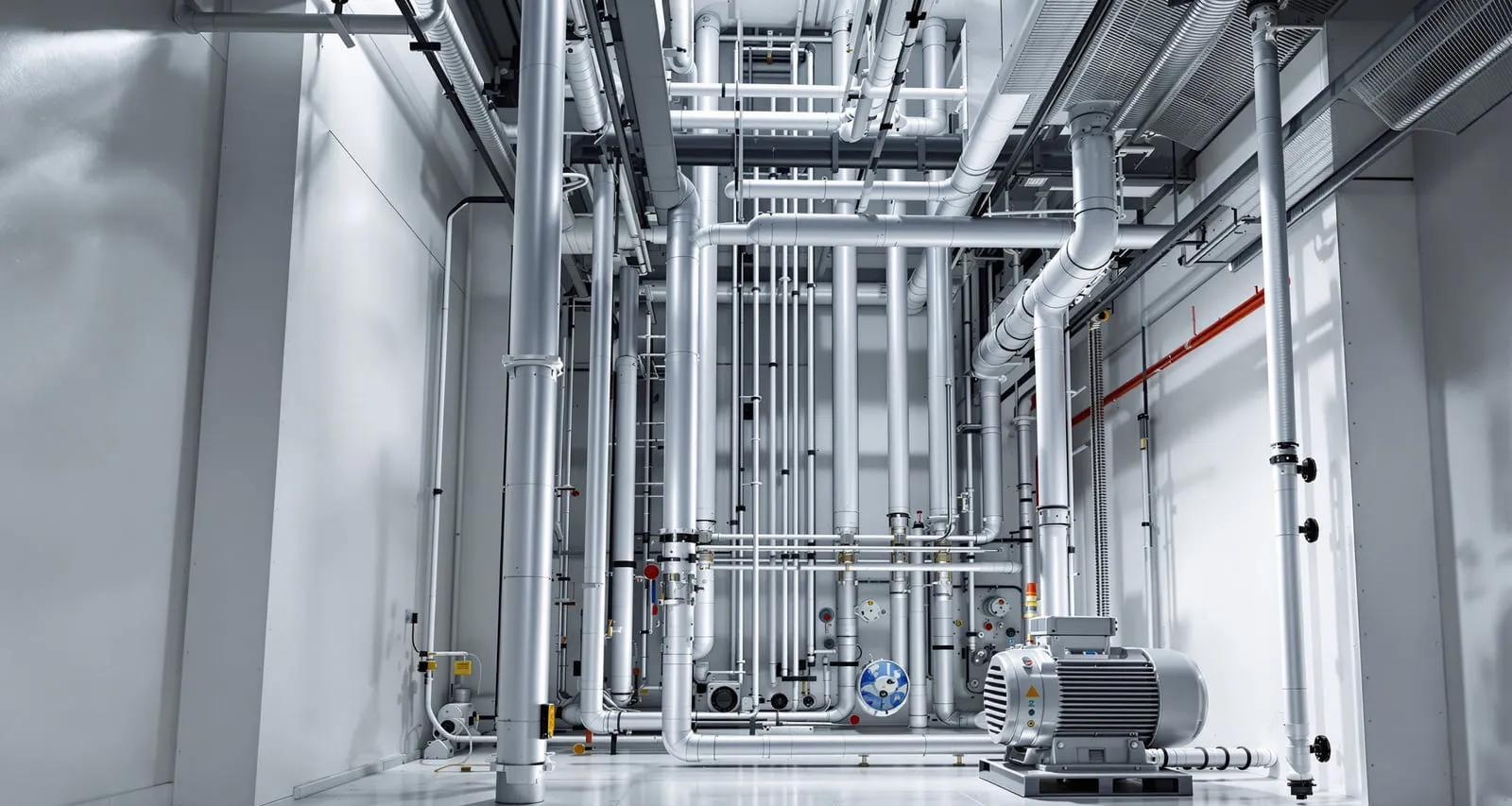
Because water supply can be intermittent, many properties rely on storage tanks and booster pumps. Plumbers can advise on tank size and position, install inlet and outlet connections, fit float valves to prevent overflow and set up pumps with appropriate pressure controls.
Piping for new buildings and renovations
New construction and major renovations require a planned layout for cold and hot water supply, drainage and ventilation. Getting the design right before walls are finished avoids costly changes later.
Septic and sewer connections
Properties not connected to a public sewer rely on septic tanks or similar systems. Plumbers can install drainage lines, connect to septic systems or sewers and advise on access points for maintenance. Local regulations may apply, so ask about any approvals needed.
Bathroom and kitchen fittings
Installing sinks, basins, showers, mixers, bathtubs, toilets and kitchen taps is routine work for experienced plumbers. Careful fitting prevents leaks and ensures good water pressure.
Signs you need a plumber
- Water stains, damp walls or ceilings, or musty smells.
- Slow-draining sinks, showers or toilets, especially if several are affected at once.
- Gurgling sounds from drains.
- Low water pressure or irregular flow.
- Unexpectedly high water bills.
- Sewage smells inside or around the building.
- No hot water, or a water heater that trips the power.
- A pump that runs constantly or switches on and off repeatedly.
DIY or professional?
Some tasks are reasonable for a confident homeowner: clearing a simple sink blockage with a plunger, replacing a tap washer, cleaning a shower head or tightening a loose fitting. Always turn off the water supply first.
Call a professional for anything involving concealed pipes, new installations, water heaters and electrical connections, pumps, drainage slopes, sewer or septic work, or leaks you cannot locate. Amateur repairs in these areas can hide problems rather than solve them, and they may cause more damage.
Choosing a qualified plumber
- Experience: ask how long they have worked and whether they have handled jobs similar to yours.
- References and past work: request contacts of previous clients or photos of completed projects.
- Clear quotes: a good plumber explains the problem, the proposed solution and the cost of labour and materials separately.
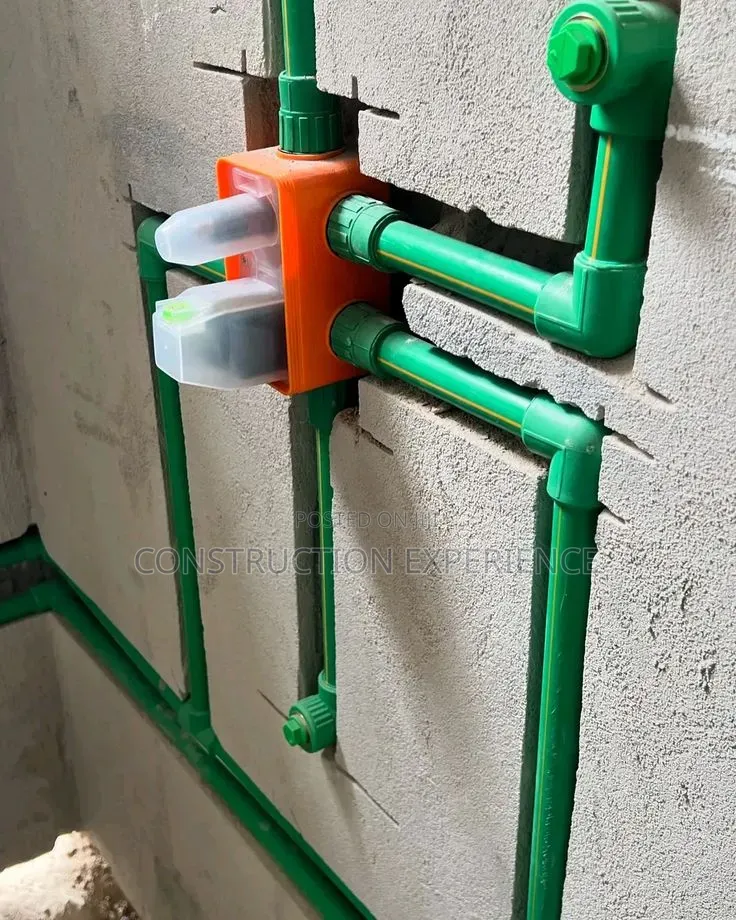
- Materials: ask what they plan to use. PPR pipes are widely used for hot and cold water supply, PVC is common for drainage, and galvanised iron (GI) pipes are still found in older buildings. Quality fittings matter as much as the pipes themselves.
- Tools and professionalism: proper tools, punctuality and clear communication are good signs.
- Guarantee: ask whether they will return to fix any problem with their work.
Getting quotes and paying sensibly
For larger projects, get more than one quote and compare what each includes. A lower figure may leave out materials, transport or finishing work. Ask for a written list of materials with brands or grades where possible.
For bigger jobs, agree to pay in stages linked to progress, for example a deposit for materials, a payment when pipes are laid and tested, and the balance after final inspection. Avoid paying the full amount upfront. Keep receipts and a record of what was agreed.
Before closing walls or floors, ask the plumber to pressure-test new supply lines so any leaks are found while they are still easy to fix.
Preventive maintenance
- Check under sinks, around toilets and near tanks regularly for drips or damp.
- Never pour cooking fat, oil or grease down the kitchen sink. Let it cool, then dispose of it with solid waste.
- Use drain strainers to catch hair and food scraps.
- Clean gutters and downpipes before the rainy seasons so water drains away from walls and foundations.
- Clean and inspect water storage tanks periodically and keep lids secure.
- Have septic systems inspected and emptied as needed.
- Service pumps and water heaters according to the manufacturer’s guidance.
Water-saving tips
- Fix dripping taps and running toilets promptly; small leaks waste a lot of water over time.
- Fit aerators on taps and low-flow shower heads.
- Consider dual-flush cisterns when replacing toilets.
- Collect rainwater for gardening and cleaning where practical.
- Run washing machines and dishwashers with full loads.
What to do in a plumbing emergency
Every household and business should know where the main stopcock or isolation valve is and how to turn it off. Show family members or staff too. In an emergency:
- Turn off the main water supply, or the isolation valve for the affected fixture.
- Switch off electricity to affected areas if water is near sockets or appliances.
- Switch off the water heater and pump if they are involved.
- Move valuables and electronics away from the water.
- Mop up and ventilate the area.
- Call a plumber and describe the problem clearly, with photos if possible.
Plumbing for new buildings and renovations
If you are building a new home or renovating a kitchen or bathroom, involve a plumber early in the planning stage. Decisions about pipe routes, drainage slopes, water tank placement, pump positions and hot water systems are much easier and cheaper to get right before walls are closed and floors are tiled. Ask for a simple layout showing where pipes, valves and drains will run, and keep a copy for future repairs.
Think about water storage and pressure too. Many homes rely on storage tanks, and some need a booster pump to maintain good pressure in upper floors or showers. Discuss options for rainwater harvesting, which can reduce water bills and provide a backup supply during shortages. Finally, make sure there are accessible shut-off valves for each bathroom, the kitchen and major appliances, so you can isolate a problem without cutting water to the whole building.
Questions to ask before hiring a plumber
- How long have you been doing this type of work, and can you show examples?
- What materials will you use, and can I see them before installation?
- How long will the job take, and when can you start?
- Do you guarantee your work, and what happens if a leak appears later?
The bottom line
Reliable plumbing protects your property, your health and your budget. Learn the warning signs, handle only simple fixes yourself and bring in a qualified professional for anything more complex. Choose plumbers based on experience, references, clear quotes and quality materials, pay in stages for larger jobs, and keep up simple preventive habits. With a little attention, most plumbing problems can be avoided or caught early, before they become costly emergencies.

Happy
0 %

Sad
0 %

Excited
0 %

Sleepy
0 %

Angry
0 %

Surprise
0 %
 0
0
 0
0