How to Design a Zero-Waste Home: 5 Essential Tips
Read Time:3 Minute, 42 Second
Creating a zero-waste house is a crucial step in lowering everyday environmental impact, resource preservation, and promotion of sustainability. Changing to a zero-waste house has grown in popularity as the globe deals with environmental issues, including resource depletion and mounting garbage. Following these basic ideas helps one to design a useful and environmentally friendly space.
1. Start with Smart Planning and Design
Careful planning is among the earliest and most important stages in building a zero-waste house. Approaching the place with a whole perspective helps one to examine the long-term effects of every design choice. The secret is to give durability and multifunctionality top priority, which will help to reduce product replacement over time. Starting with the layout, select locally produced, recyclable, sustainable materials. Furthermore, including readily maintained or repaired components lessens the need for regular replacements, therefore helping to lower waste. In you are in Boulder you can consult professional architects in Boulder who can ensure that the design is optimized for waste reduction and environmental performance. The home can function with minimal waste over its lifetime if energy-efficient lighting, water-saving systems, and natural insulation materials are used.
2. Maximize Storage and Organization
A zero-waste home requires efficient organization and storage. Emphasizing sustainability, it’s important to keep clutter to a minimum since it not only makes the surroundings more peaceful but also helps to lower the collection of undesired objects. Thoughtful storage solutions guarantee that everything has a place, reducing waste and helping one avoid buying pointless goods. For example, adding built-in cupboards, drawers, and shelves composed of sustainable materials will greatly increase a house’s visual appeal and efficiency. Investing in long-lasting, reusable food, toiletry, and cleaning supply containers is another crucial component of optimizing storage.
3. Incorporate Sustainable and Natural Materials
The foundation of a zero-waste house is created from environmentally friendly materials. Every decision made in house design should attempt to reduce waste, whether through the use of biodegradable materials or things intended for reuse. When selecting flooring, choose renewable, low-impact materials such as cork, bamboo, or repurposed wood. Natural stone or recycled glass is more durable and environmentally friendly than synthetic counters and cabinets. Researching the whole life cycle of materials, from manufacture to disposal, ensures that they match the zero-waste philosophy of waste minimization and resource efficiency.
4. Embrace Energy Efficiency and Water Conservation
Reduced energy use and increased water conservation are essential components of zero-waste home design. Energy-efficient products and systems contribute to lower home heating, cooling, and running power consumption. Energy-efficient windows and doors, solar panels, and wind energy systems all help to significantly reduce the house’s energy demand, allowing for both financial savings and environmental benefits. Furthermore, installing low-flow faucets, showerheads, and toilets can assist in reducing water wastage and utility expenses. Rainwater collection devices contribute to a house’s sustainability by collecting water for irrigation or other non-potable activities. These water-saving and energy-efficient features not only reduce waste but also help homes live more sustainably and effectively over time.
5. Adopt a Minimalist Approach to Furnishings and Decor
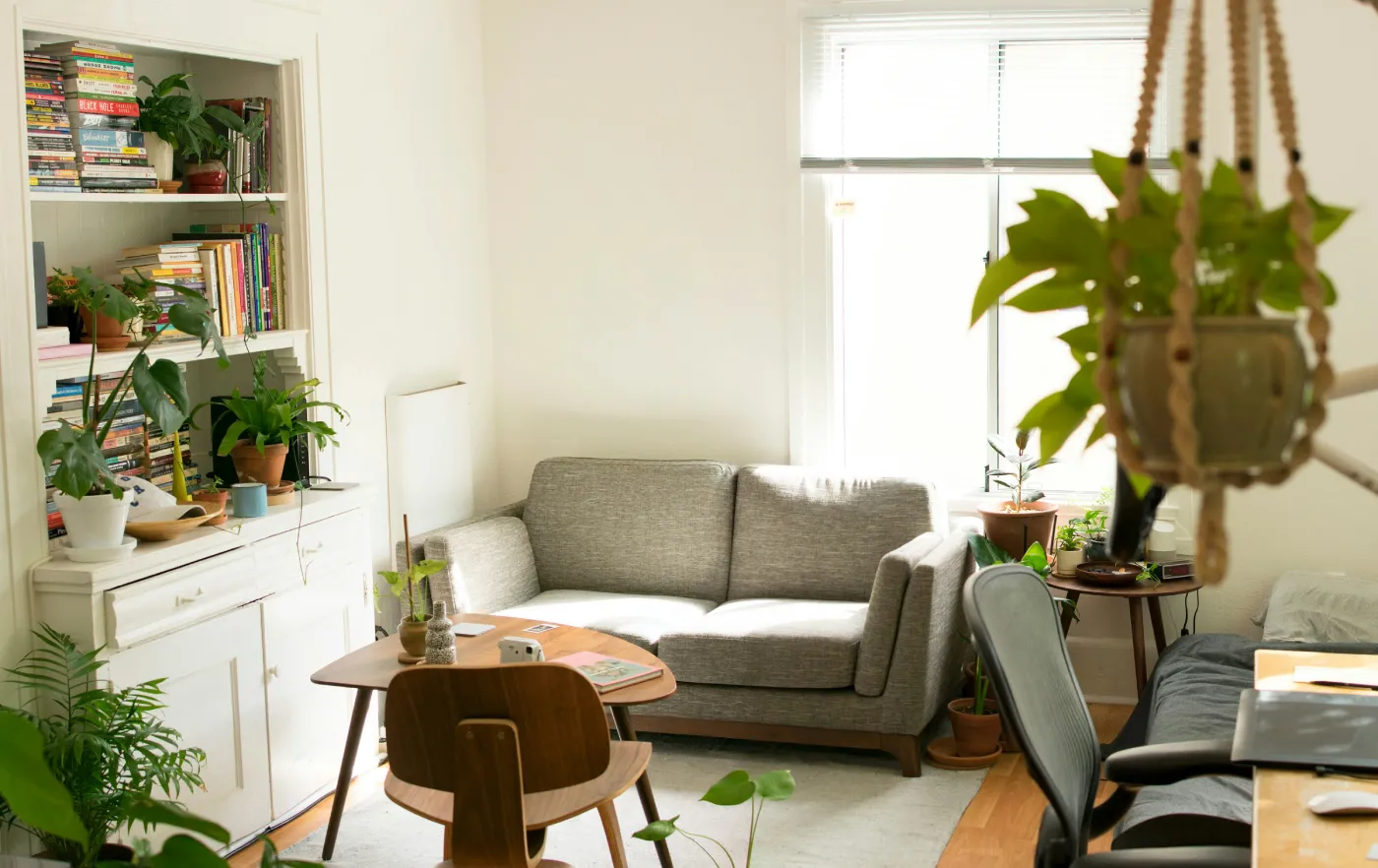
A minimalist approach to furniture and design is a fantastic method to reduce waste at home. Selecting fewer but better-quality products can greatly cut the waste generated by needless purchases or repeated replacements. When choosing furniture and décor, concentrate on classic items with style and use that will last. Following zero-waste ideas, used or repurposed furniture can accentuate a house. To maximize space and cut waste, also think about multifunctional furniture such as folding tables, extendable storage, and seating that doubles as storage. Using natural décor such as indoor plants helps to clean the air in addition to beautifying a room. Adopting a minimalist attitude helps lower the urge to acquire more than is needed, therefore promoting a waste-free environment.
Conclusion
Creating a zero-waste house is a worthwhile project transcending the building process’s components. It’s about designing a sensible, useful living environment that considers the resources of the earth. From creating a sustainable layout to including energy-efficient systems and storage options, every choice helps to lower waste and save natural resources. A zero-waste house calls for a change of perspective toward minimalism, longevity, and sustainability. Dealing with expert architects can offer insightful analysis and guarantee that the house is constructed using the correct method for long-term environmental gains.

Happy
0 %

Sad
0 %

Excited
50 %

Sleepy
0 %

Angry
0 %

Surprise
50 %
 0
0
 2
2