
Top 10 Facts You Didn’t Know About Plastic Surgery
Read Time:5 Minute, 23 Second
Plastic surgery is frequently associated with myths and a sense of mystery. Whether to boost attractive qualities, heal an ailment, or restore confidence, many people choose plastic surgery because they want to improve themselves. People might not be aware of, though, many aspects of this profession. Ten lesser-known facts about plastic surgery are discussed in this article to provide an understanding of the complexity and attraction of this transforming profession.
1. Plastic Surgery Is Not Just Cosmetic
Most people associate plastic surgery with cosmetic procedures like facelifts, liposuction, and breast implants. Plastic surgery, however, covers a wide spectrum of operations aimed not just at enhancing beauty but also at restoring function and appearance following traumatic events, birth deformities, or medical disorders. Patients recovering from accidents, cancer treatments, or congenital defects depend critically on reconstructive plastic surgery, among other things. From cleft lip repair to burn treatments, surgeons specializing in reconstructive surgery handle instances that greatly impact a patient’s physical and emotional healing.
2. The Term “Plastic” Doesn’t Refer to the Material
In plastic surgery, the term “plastic” is sometimes confusing since many relate it to synthetic plastic products. But the word comes from Greek, “plastikos,” which means to mold or shape. Whether for aesthetic taste, disease, or damage, the field itself is about reconstructing or redefining portions of the body. The term “plastic” refers to the surgical ability of molding tissues to reach the intended outcome instead of the usage of plastic materials.
3. Plastic Surgery Is Not a Modern Invention
Plastic surgery has been around for thousands of years despite the fact that many people think of it as a modern practice. The first known kinds of reconstructive surgery originated in ancient India, circa 600 B.C., when Sushruta, sometimes described as the “father of surgery,” devised methods to rebuild the nose and earlobes. Later developed by other civilizations, including the Romans and Egyptians, these methods set the groundwork for what we know as plastic surgery. Though the basic ideas of tissue repair and restoration have historical roots, modern methods have changed dramatically.
4. Surgeons Use Advanced Technology to Achieve Better Results
Medical technology advancements have altered plastic surgery by allowing for highly precise operations with less risk and recovery time. Surgeons can plan surgeries with more precision and reduced invasiveness thanks to advances in 3D imaging, laser technology, and robotic-assisted surgery. These technologies allow surgeons to observe the body in three dimensions, resulting in more precise and detailed surgeries. Minimally invasive operations like endoscopy and liposuction are also becoming increasingly popular, as they help to speed up recovery and reduce scarring.
5. Plastic Surgery Involves Both Art and Science
Plastic surgery is a special field combining medical knowledge with design’s artistic quality. Surgeons have to be not just skilled in their surgical approaches but also strongly aesthetically conscious. The best plastic surgeons are naturally able to create aesthetically pleasing treatments that complement the rest of the body in addition to being functionally sound. Surgeons can produce solutions that improve natural beauty while guaranteeing the body performs as it should by combining creative vision with technical ability.
6. The Risks of Plastic Surgery Are Real
Plastic surgery contains inherent hazards, even if advances in medical technology and surgical procedures have made it safer over the years. From anesthesia-related problems to infections, scars, or disappointing outcomes, these hazards could span. Patients should investigate possible surgeons carefully, probe their credentials and experience, and be aware of the hazards associated with any operation. Seeking advice and treatment from seasoned med spa Kansas City experts will help to guarantee that people get appropriate guidance and treatment prior to surgical commitment.
7. It Is a Highly Personalized Experience
Every person’s physique is unique, as are their reasons for undergoing plastic surgery. Plastic surgery is a very personal experience since what suits one individual could not be appropriate for another. Often working directly with patients, surgeons help them to identify their objectives and create tailored plans addressing certain issues. Whether the patient wants to restore what was lost from aging, accident, or illness or improve specific aspects, this customized method guarantees that the outcomes match their expectations.
8. Plastic Surgery Can Have Psychological Benefits
While the physical results of plastic surgery are extensively publicized, the psychological benefits are frequently equally significant. Many patients say that following operations like rhinoplasty, breast augmentation, or eyelid surgery, their confidence and self-esteem have improved. The modifications these operations bring about can result in a better body image, which would boost mental health. Patients should, however, have reasonable expectations and go through treatments for the proper reasons since an undue emphasis on physical appearance could cause discontent or regret.
9. Gender-specific plastic Surgery Has Grown in Popularity
Gender-specific plastic operations have grown rather fashionable recently. Although women have always been the major patients for many cosmetic operations, more men are choosing procedures including liposuction, rhinoplasty, and even facelifts to keep a young look or raise their self-esteem. For those trying to match their physical appearance with their gender identification, gender-affirming surgeries, including breast augmentation or gender-affirming face treatments, have also become rather crucial procedures.
10. Non-Surgical Procedures Are on the Rise
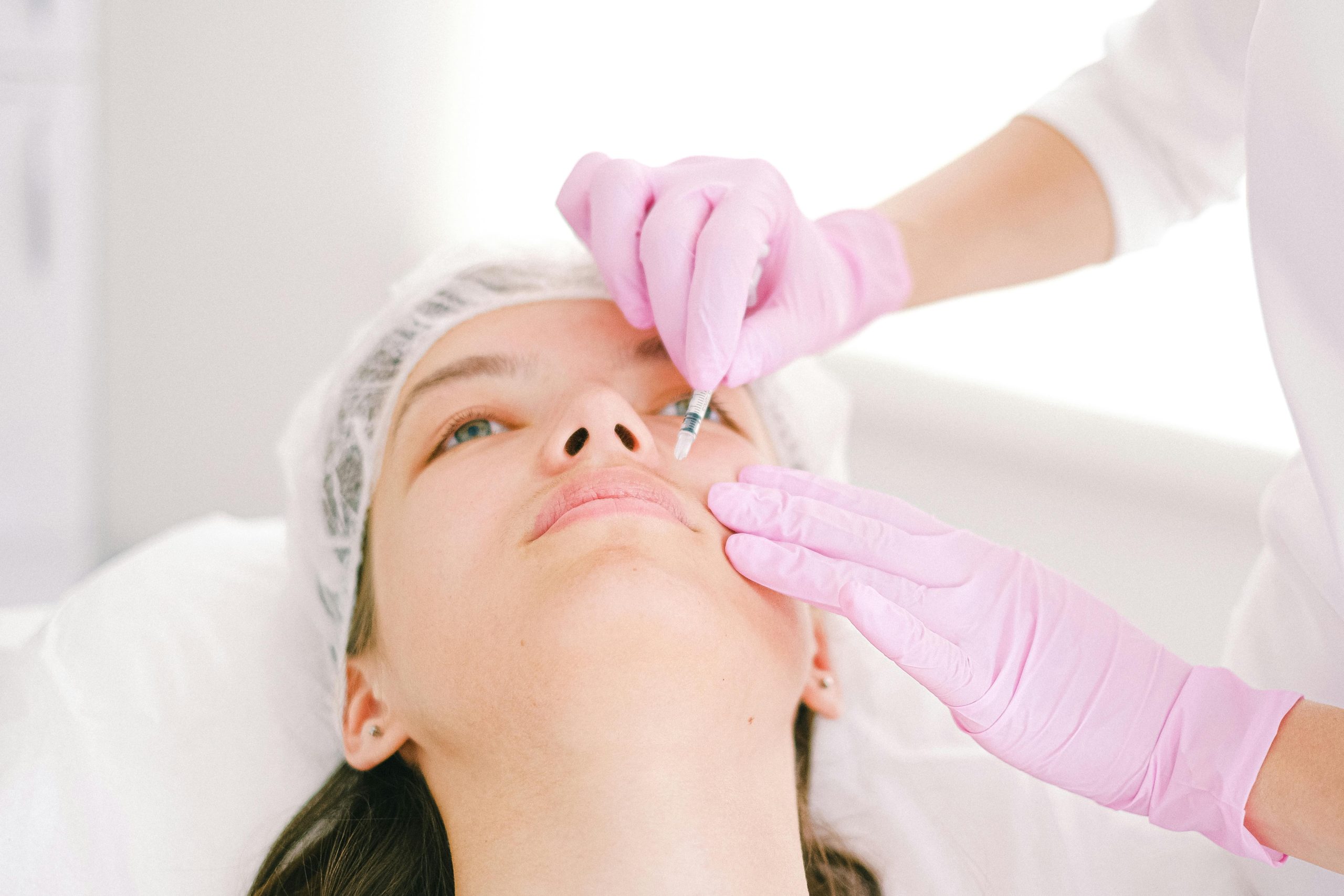
Traditional plastic surgery frequently includes extensive procedures and recuperation times, but there has been a substantial increase in non-surgical solutions. Without invasive surgery, treatments include Botox, dermal fillers, and chemical peels provide temporary cosmetic enhancements. Plastic surgery is more easily available to a larger population because of non-surgical alternatives, which let people solve aesthetic issues without committing to more involved treatments.
Conclusion
Plastic surgery is an exciting area that blends medicine, artistry, and technology to help people attain their ideal appearance or restore function to their bodies. Although it is usually connected with cosmetic improvement, plastic surgery covers a broad spectrum of treatments meant to improve people’s quality of life. The possibility for change has never been more tremendous as surgical methods and technology develop. Whether one is thinking about any kind of plastic surgery, it is advisable to see a trained practitioner who can offer professional recommendations and guarantee the best possible results. For those requiring professional treatment, seasoned surgeons can provide insightful analysis and direction.
Author Bio
Jenny Fries, a freelance writer, specializes in writing about technology, travel, business, and health. She offers freelance blogging and content writing for SEO. When she’s not writing, Fries likes to travel, cook, and write vacation plans.

Happy
0 %

Sad
0 %

Excited
0 %

Sleepy
0 %

Angry
0 %

Surprise
100 %
 0
0
 2
2