S3 Object Storage: The Smart Choice for Modern Businesses
Read Time:1 Minute, 42 Second
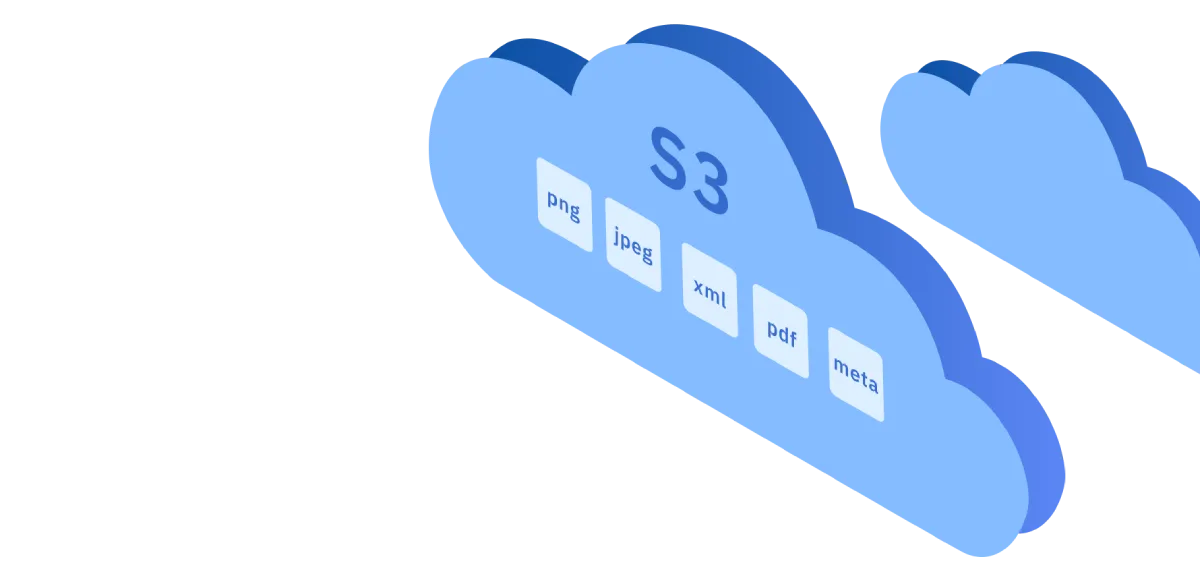
Modern organizations need cost-effective and scalable storage solutions. Simple Storage Service (S3) has become the gold standard, offering a streamlined, flat architecture that allows instant file access via HTTP APIs. Unlike traditional file systems, S3 organizes data as objects with unique IDs and metadata, making retrieval and management effortless.
S3 object storage supports virtually any data type — documents, media files, backups, logs, and massive datasets. Businesses can scale storage on demand, paying only for what they use. Let’s explore three key scenarios for S3.
1. Affordable Long-Term Archiving
Many industries face strict data retention rules, requiring years of storage. On-premises archives demand expensive hardware, maintenance, and physical space. S3 offers secure, compliant storage without the overhead. For example, banks must retain transaction records for 7+ years. S3 cuts costs significantly compared to in-house servers.
With granular IAM policies, businesses control access tightly—auditors can review financial records without exposing unrelated data.
2. Backup
Data loss can devastate a company. Local servers risk failure, theft, or disasters. S3 provides near-zero risk of data loss.
Key Advantages:
- Versioning: Recover files after ransomware attacks or accidental deletions.
- Disaster Recovery: Cross-Region Replication duplicates backups globally. Companies using cloud backups reduce downtime costs by 74% (IDC, 2023).
- Automation: Tools like Veeam and Commvault streamline backups, freeing IT teams from manual tasks.
3. Big Data & AI Workloads
From retail to finance, organizations handle massive datasets. S3’s unlimited scalability and integration with tools like Apache Spark and Hadoop make it ideal for analytics.
Banks detect fraud in real time by analyzing transaction logs stored in S3 with machine learning.
Conclusion
S3 is not just storage; it’s a strategic advantage. Businesses gain:
- Cost savings (up to 70% vs. on-premises)
- Effortless scalability (no capacity headaches)
- High level of security (encryption, access controls)
As cloud adoption continues to grow, S3 remains a crucial component for agile and future-proof storage. Instead of relying on outdated systems, organizations should consider adopting S3 and focusing on innovation rather than infrastructure.

Happy
0 %

Sad
0 %

Excited
0 %

Sleepy
0 %

Angry
0 %

Surprise
100 %
 0
0
 2
2