How Rugs Define the Character of a Room
Read Time:4 Minute, 10 Second
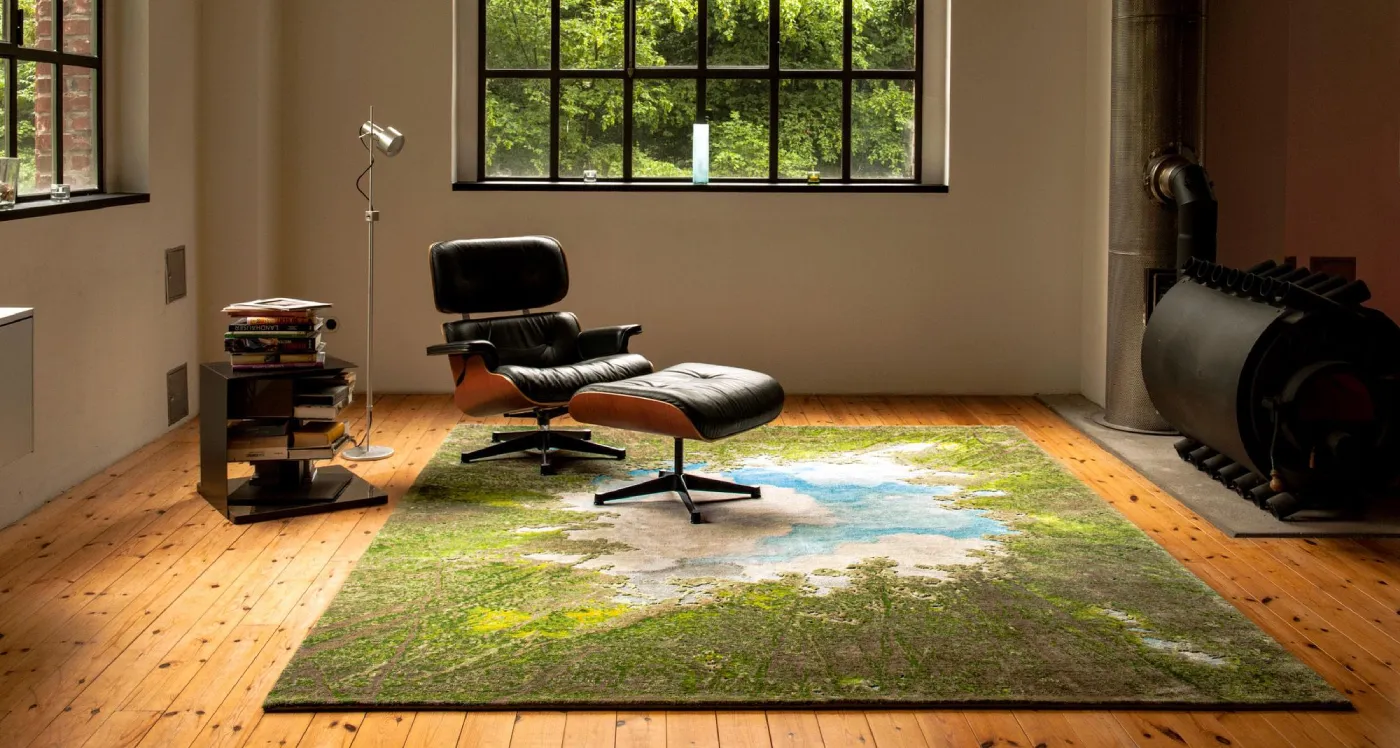
In interior design, a rug is much more than a floor covering — it’s a foundation for atmosphere, proportion, and emotional tone. A well-chosen rug has the power to transform a space entirely: it anchors furniture, balances light and color, and adds warmth both visually and physically. Often underestimated, rugs are among the most expressive design elements in a room, capable of defining its mood and character with subtle precision.
1. The Foundation of Visual Balance
Every interior composition begins from the ground up. A rug acts as a visual anchor that organizes the room’s layout, helping define zones and guide movement through the space. Without it, even the most beautiful furniture can appear disconnected or incomplete. With the right rug, however, everything finds its place — lines, colors, and textures harmonize naturally.
Size and proportion play a crucial role here. A rug that’s too small can make a room feel fragmented, while one that’s slightly larger than the main furniture group will make the area feel cohesive and deliberate. This simple principle is why professional designers often start a project by choosing the rug first — it establishes the rhythm that everything else follows.
2. Texture and Material: The Language of Comfort
Texture defines how a room feels as much as how it looks. A thick wool rug introduces warmth and softness, perfect for living rooms and bedrooms where comfort is key. In contrast, a flatweave or jute rug brings a more relaxed, natural sensibility, ideal for modern or coastal interiors. Silk or bamboo fibers, with their subtle sheen, create an impression of understated luxury.
Choosing the right material also affects acoustics and temperature. Rugs absorb sound, reduce echo, and create a feeling of intimacy — especially important in open-plan spaces. In warmer climates, lightweight and breathable materials keep the environment fresh while still providing visual comfort. Collections like those available at SayRUG.ae showcase how material choice and craftsmanship can redefine both the look and atmosphere of a space.
3. Color and Pattern: The Emotional Palette
Color is the most immediate and emotional aspect of design, and rugs offer a perfect opportunity to explore it. A bold, patterned rug can inject energy into a minimalist space, while a neutral tone can calm a busy one. Warm colors such as terracotta or ochre create a welcoming atmosphere, while cooler shades like slate or sage evoke serenity and depth.
Patterns tell stories — geometric motifs bring modernity and rhythm, florals add romance, and traditional designs communicate heritage and craftsmanship. The choice depends not only on taste but on what you want the room to say. A rug can be a whisper or a statement — the key is to let it express the character you want to live with every day.
4. Defining Space Through Placement
Rugs are essential tools for structuring interior space. In large, open areas, they define zones for conversation, dining, or rest without the need for walls. In smaller rooms, they can visually expand the space by drawing attention to the floor plane and unifying scattered elements.
The placement of a rug influences how we move and perceive proportion. Centering it under a coffee table grounds the living area; extending it beneath a bed enlarges the bedroom’s visual footprint. Even layering multiple rugs — a growing trend in contemporary design — can create depth, contrast, and a sense of personal narrative.
5. The Emotional Role of Rugs
Beyond function and form, rugs carry a deeply human quality: they make spaces feel alive. The tactile connection of walking barefoot on a soft surface evokes comfort and security — sensations that form part of a home’s emotional identity. A rug can warm a minimalist interior or add intimacy to a grand room. It bridges the gap between architecture and the human experience.
Moreover, rugs often become keepers of memory. A handwoven piece, a pattern passed through generations, or even the simple familiarity of texture can transform an object into something deeply personal. They remind us that true design is not about perfection, but about connection — between materials, people, and the spaces they share.
6. Timeless Appeal Through Craftsmanship
While trends come and go, craftsmanship endures. Hand-knotted or hand-tufted rugs, made with precision and care, age gracefully — acquiring patina and personality over time. Their durability ensures not just aesthetic longevity, but emotional continuity: they grow with the home and its inhabitants. Investing in such a rug is not only a design decision but a statement about values — choosing authenticity over disposability.
The Groundwork of Identity
Ultimately, rugs are the soul beneath the surface. They define how a room feels, how it flows, and how it speaks. Whether subtle and neutral or bold and expressive, the right rug gives a space its voice — grounding it, connecting it, and giving it life. In design, as in life, what lies beneath often determines everything above. And that’s why a rug is never just an accessory — it’s the character of the room itself.

Happy
0 %

Sad
0 %

Excited
0 %

Sleepy
0 %

Angry
0 %

Surprise
100 %
 0
0
 2
2