
Electrolysis for face: which zones respond best to treatment
Read Time:6 Minute, 39 Second
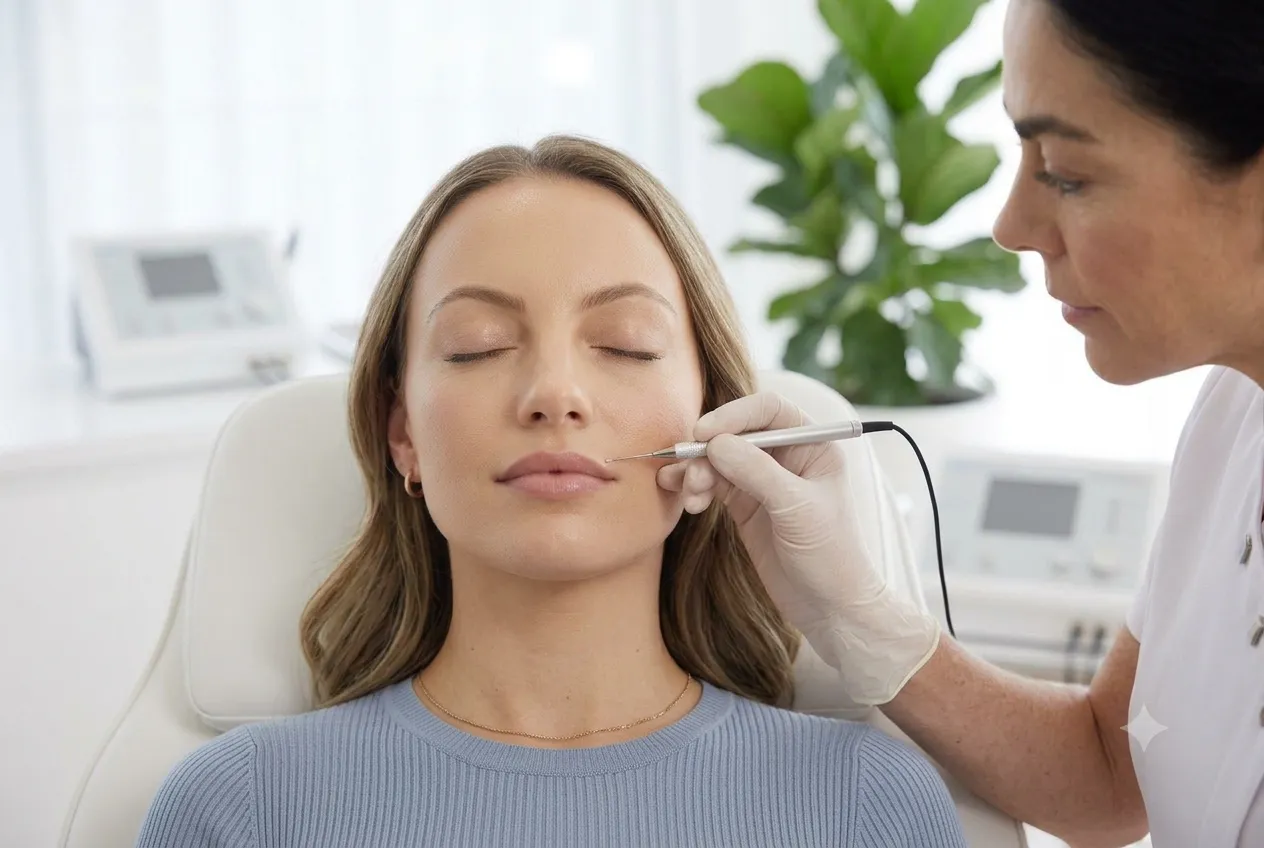
Electrolysis remains the only hair removal method recognized by the FDA as permanent, a distinction that carries weight for anyone tired of the endless cycle of tweezing or the limitations of laser. While laser targets pigment, electrolysis attacks the germinative cells of the hair follicle with a tiny probe, making it effective for any hair color or skin tone. For those seeking electrolysis for face results that last a lifetime, understanding how different facial zones react to treatment is the first step toward a successful outcome. The face is a map of varying skin thicknesses, follicle depths, and hormonal influences, all of which dictate the pace and sensation of the process.
The upper lip and chin: the most common targets
The upper lip is perhaps the most sensitive area of the face for electrolysis because of the high density of nerve endings. Skin here is thin and sits directly over the teeth and gums, which can sometimes amplify the sensation of the current. Because hair here often grows in tight, organized rows, an electrologist must be careful not to over-treat a single small patch in one session, which could lead to unnecessary swelling. Patients often find that treating the outer corners first is more tolerable than starting directly under the nose.
The chin presents a different set of challenges. Unlike the fine hairs of the lip, chin hairs are often terminal hairs — thick, deep-rooted, and resilient. These are frequently the result of hormonal shifts, meaning the follicles are being constantly stimulated by the body. This zone responds beautifully to electrolysis, but it requires patience. Because the follicles can be deep, the electrologist might need to use a slightly higher setting or a longer impulse to ensure the root is destroyed. It is a game of persistence where the density of the hair gradually thins until only a few stragglers remain.
Hormonal chin hair requires a consistent schedule. Missing appointments allows the body to strengthen the follicle again, potentially stretching the total treatment timeline by months.
A common mistake in the chin area is historical over-plucking. Years of tweezing can cause the hair root to distort or develop a hook shape under the skin. When the electrologist inserts the probe, they are navigating a follicle that isn’t straight, making the first few passes more difficult. As the hair regrows thinner and softer after the initial treatments, the follicle straightens out, and subsequent sessions become much faster and more effective.
Eyebrows and the forehead: precision and shaping
Electrolysis for the eyebrows is about artistry as much as it is about science. Unlike other areas where the goal is total clearance, the brows require a disciplined approach to shape. It is the only safe method for getting close to the eye, as laser poses risks to ocular health due to the light scatter. The skin on the brow bone is tight and thin, which means the probe reaches the follicle easily, but it also means the area may stay red for a few hours longer than the cheeks might.
The bridge of the nose, often called the glabella or the unibrow area, is one of the most satisfying zones to treat. These hairs are usually surface-level and have a predictable growth cycle. Most people see a dramatic reduction here faster than anywhere else on the face. Because there is less fatty tissue, the sensation is sharp but brief. Once the hair is gone from this bridge, it rarely shows the same stubbornness seen in hormonal areas like the jawline.
Never attempt to reshape the entire brow in a single marathon session. Precision work is best done in short, frequent bursts to allow the skin to heal and the shape to be evaluated in a natural state.
Treating the hairline or forehead follows a similar logic. For those looking to correct a low hairline or remove stray hairs near the temples, electrolysis provides a permanent boundary. The follicles in the hairline are often very sturdy, requiring a steady hand and precise insertions. Because the forehead is a large, flat expanse of bone and thin skin, the technician must manage the energy levels carefully to prevent any temporary pitting or crusting, which is more visible on this smooth surface.
Cheeks and sideburns: large areas and fine hair
The cheeks usually host a mix of fine vellus hair (peach fuzz) and darker, more prominent hairs. Electrolysis is particularly useful here for people who have been told they aren’t candidates for laser because their hair is too light or too thin. The skin on the cheeks is fleshier, which often makes the treatment more comfortable than on the lip or brow. However, the sheer number of follicles can be overwhelming, necessitating a strategic approach where the electrologist clears the most obvious hairs first to provide immediate visual relief.
Sideburns are a transitional zone where the facial skin meets the scalp. This hair is usually more deeply rooted than cheek hair and grows at a steeper angle. A skilled technician will follow the natural flow of the hair to ensure the probe enters the follicle without piercing the side wall. Successful treatment of the sideburns can significantly change the profile of the face, creating a cleaner, more defined look that lasts. Because this area is less prone to hormonal fluctuations than the chin, the results tend to be very stable once the initial clearance is achieved.
If you have used wax or sugaring on your cheeks for years, the skin may be more sensitive and the hair follicles more distorted. Always inform your technician about your previous hair removal history.
Post-treatment care on the cheeks is vital because this area is more exposed to the elements and cosmetic products. Following a session, the pores are temporarily open and the skin is healing. Using heavy makeup or aggressive skin acids (like retinol or Vitamin C) too soon can lead to breakouts or irritation. Keeping the area clean and using simple, soothing balms like aloe vera for the first 24 hours is usually enough to let the skin settle back to its normal state.
The jawline and neck: tackling the toughest follicles
The jawline and the area just beneath the chin are notorious for being the most stubborn zones for permanent hair removal. This is partly due to the way hair grows here — often in different directions and at very shallow angles. The skin on the neck is also more mobile and prone to irritation. When treating the neck, the electrologist must use one hand to pull the skin taut, creating a flat surface for the probe. This ensures the needle reaches the bulb of the hair without damaging the surrounding tissue.
Neck hair is frequently tied to an underlying sensitivity to androgens. This means that even as you kill off one set of follicles, the body might try to activate dormant ones nearby. This isn’t a failure of the electrolysis; it is the body’s natural chemistry at work. For this reason, the jawline often requires the highest number of total sessions. However, it is also the area where the relief of being hair-free is most profoundly felt, as it eliminates the need for daily shaving or the painful ingrown hairs that often plague this zone.
Ingrown hairs on the neck should not be picked before a session. The electrologist needs a small amount of hair growth to see the angle of the follicle for a clean insertion.
Managing expectations for the jawline is key. While the upper lip might show clear results in six months, the neck could take a year or more of consistent work to reach total clearance. The payoff is a smooth, bump-free surface that no longer requires concealing with heavy clothes or scarves. Because the skin here is thinner than the chin but thicker than the lip, the healing process is generally fast, and the redness usually fades within a few hours of leaving the chair.

Happy
0 %

Sad
0 %

Excited
0 %

Sleepy
0 %

Angry
0 %

Surprise
0 %
 0
0
 0
0