How UAE Warehousing Strengthens the Hybrid Car Battery Supply Chain
Read Time:6 Minute, 51 Second
Hybrid vehicle adoption is creating a growing aftermarket need for replacement batteries, but meeting that demand involves much more than sourcing components. Workshops, parts distributors, importers, resellers, and fleet maintenance teams need access to tested inventory in the right models and quantities—often within demanding operational timelines. For these commercial buyers, the location and management of battery stock can be just as important as the product itself.
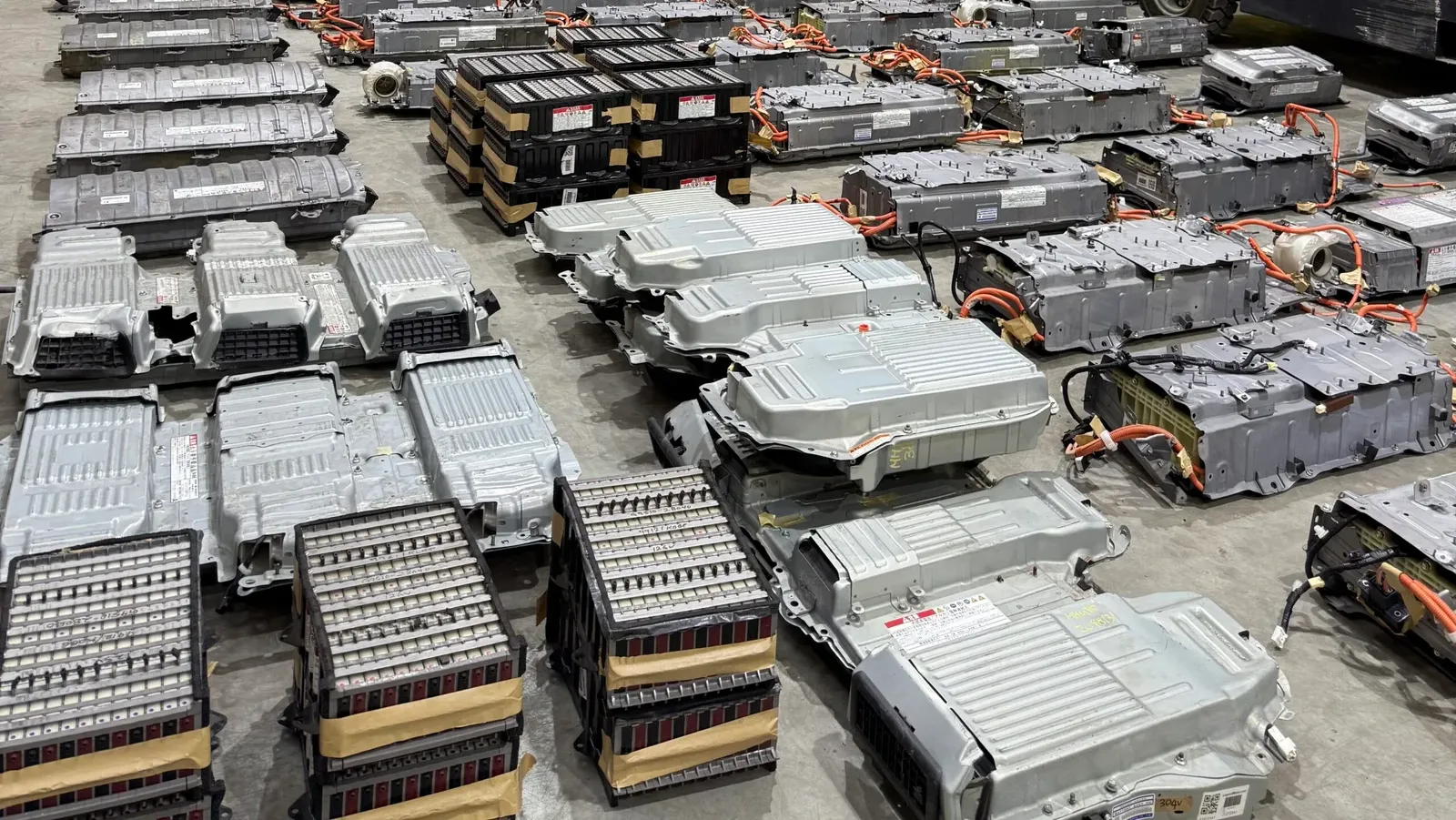
The UAE has become a practical warehousing and distribution base for businesses serving regional and international automotive markets. Its transport infrastructure, established trading ecosystem, and proximity to major shipping routes can reduce procurement friction across the hybrid battery supply chain. A UAE warehouse also gives buyers access to consolidated stock rather than requiring every order to move directly from an overseas source.
Hybrid Hive demonstrates how a specialized warehouse in Sharjah can connect Japanese sourcing with business-ready inventory, structured testing, bulk order preparation, warehouse collection, and export support. This model helps commercial buyers manage availability, lead times, quality expectations, and repeat purchasing more effectively.
Warehousing Creates a Buffer Between Supply and Demand
Hybrid battery demand is rarely uniform. A workshop may suddenly receive several Toyota Prius repair jobs, while a distributor may need to replenish Toyota Aqua or Yaris inventory before demand peaks. Fleet maintenance teams can also face unplanned replacement requirements that make long sourcing cycles commercially disruptive.
A strategically located warehouse provides an inventory buffer. Instead of waiting for batteries to be sourced abroad only after an order is placed, buyers can request products that have already entered the UAE supply network. This can improve availability for high-demand models, including the Toyota Prius, Toyota Aqua/Yaris, Toyota Camry, and Lexus RX Hybrid, while still allowing buyers to ask about other applications.
This stock-based model is especially valuable for businesses purchasing a hybrid car battery in volume. Workshops can reduce the risk of delayed repairs, distributors can maintain more dependable customer service, and importers can combine different model requirements into commercially practical orders.
Centralized Inspection Supports More Consistent Procurement
Used hybrid batteries cannot be evaluated solely by visual appearance or country of origin. Commercial buyers need confidence that stock has been checked before it is offered for collection or shipment. A well-managed warehouse creates a controlled point at which received inventory can be identified, organized, inspected, and tested.
Hybrid Hive sources through trusted partners in Japan, including dismantlers and dealership-related or certified supply channels, often obtaining batteries from low-mileage vehicles. Batteries entering its UAE network are dual-inspected, voltage-tested, checked for good condition, and prepared for commercial supply. This does not remove the need for buyers to confirm their exact requirements, but it creates a more structured procurement process than purchasing from fragmented or poorly documented sources.
What business buyers should verify
Before placing a wholesale order, procurement teams should provide and confirm several essential details:
- Vehicle model and generation: Model names alone may not provide enough compatibility information.
- Required quantity: Clear volumes help the supplier check current stock and prepare an accurate quotation.
- Voltage requirement: Technical requirements should be stated at the enquiry stage rather than assumed.
- Testing process: Ask how batteries are inspected and whether voltage testing is completed before dispatch.
- Condition expectations: Clarify that the order is for good-condition used inventory and discuss any relevant acceptance criteria.
- Collection or shipping needs: The supplier should know whether the order will be picked up at the warehouse or prepared for export.
Providing these details at the beginning reduces back-and-forth communication and helps avoid incorrect product selection. It also allows a specialist supplier to suggest alternatives when an exact configuration is temporarily unavailable.
UAE Inventory Can Improve Lead-Time Visibility
Supply chain strength is not simply about delivering quickly; it is about giving buyers reliable information early enough to plan. Uncertain lead times can leave workshop bays occupied, delay fleet vehicles, or cause distributors to make promises they cannot keep.
With inventory held in Sharjah, availability can be checked against actual warehouse stock. Hybrid Hive follows a process in which the buyer submits the model, generation, quantity, and voltage requirement. The team checks availability, prepares a transparent quotation, and may suggest suitable options if the first request cannot be fulfilled exactly. After payment confirmation, the order can be arranged for warehouse pickup or shipment.
This organized workflow matters for repeat customers. A distributor does not only need one successful purchase; it needs a supplier capable of supporting replenishment over time. Hybrid Hive reports more than 20,000 batteries supplied or processed and highlights a 4.9 positive review signal, providing useful credibility indicators for commercial buyers evaluating supply capacity and service responsiveness.
Consolidated Stock Makes Pricing Easier to Evaluate
Procurement decisions should never be based on the quoted unit figure alone. The true cost of a battery order may also include sourcing time, inland handling, testing, international freight, customs procedures, unsuitable units, and delays caused by fragmented purchasing.
When evaluating a wholesale car battery price, buyers should therefore consider total landed value and operational risk. A slightly lower quotation may prove more expensive if product condition is unclear, the requested models are not actually available, or several small shipments must be coordinated separately.
A UAE warehouse can simplify this comparison by consolidating stock, confirming quantities before payment, and preparing mixed or bulk requirements through one supply point. Transparent quotations also help procurement teams distinguish the cost of the inventory from any collection, handling, or shipping arrangements. For importers and distributors, that clarity supports more accurate margins and resale planning.
Export Preparation Extends the Value of UAE Warehousing
The UAE’s position between Asian sourcing markets and automotive demand centers makes it useful as more than a local storage location. Inventory sourced from Japan can be received, checked, organized, and then prepared for onward movement from the UAE. This arrangement can support international buyers that want access to consolidated hybrid battery stock without managing every upstream supplier relationship independently.
Export readiness should still be discussed order by order. Buyers need to confirm destination requirements, quantities, shipping arrangements, and applicable import rules in their own markets. However, working with a supplier that already supports international shipment provides a stronger operational starting point than working with a seller focused only on occasional local transactions.
Second-Life Inventory Supports Practical Sustainability
Warehousing also plays a role in the circular economy. Good-condition used hybrid batteries can retain commercial utility when they are sourced responsibly, tested, matched to the correct application, and returned to productive use. Centralized storage makes it easier to sort inventory by model and requirement instead of allowing reusable components to remain scattered across disconnected supply channels.
For fleet operators and workshops, sustainability must work alongside performance and cost control. Second-life components are only useful when buyers can obtain appropriate stock with reasonable consistency. By combining Japanese sourcing with testing and UAE-based availability, Hybrid Hive helps make reuse a practical procurement strategy rather than an abstract environmental promise.
How to Choose a Warehouse-Based Supply Partner
A reliable wholesale partner should be able to explain where inventory comes from, how it is checked, what models are currently available, and how an order progresses from enquiry to fulfillment. Buyers should be cautious when a supplier cannot confirm quantities, avoids discussing testing, or provides vague delivery expectations.
Look for a partner that offers:
- Clear stock confirmation for specific models and generations;
- Documented inspection and voltage-testing procedures;
- Capacity for bulk and repeat orders;
- Transparent, itemized commercial quotations;
- Warehouse pickup and international shipping options;
- Responsive communication when alternatives are required; and
- Experience serving workshops, distributors, importers, resellers, and fleets.
Commercial buyers planning their next order should prepare a concise request listing model, generation, voltage, quantity, destination, and preferred fulfillment method. Sharing that information with Hybrid Hive allows its Sharjah-based team to check inventory and provide a relevant quotation without unnecessary delays.
Ultimately, UAE warehousing strengthens the hybrid battery supply chain by turning internationally sourced products into accessible, tested, and organized commercial inventory. For businesses that depend on continuity rather than one-off purchases, the combination of dependable stock, process transparency, and export capability can make the difference between reactive procurement and a resilient supply strategy.

Happy
0 %

Sad
0 %

Excited
0 %

Sleepy
0 %

Angry
0 %

Surprise
0 %
 0
0
 0
0