
Third-Party Ship & Crew Management Services for Gulf Shipowners
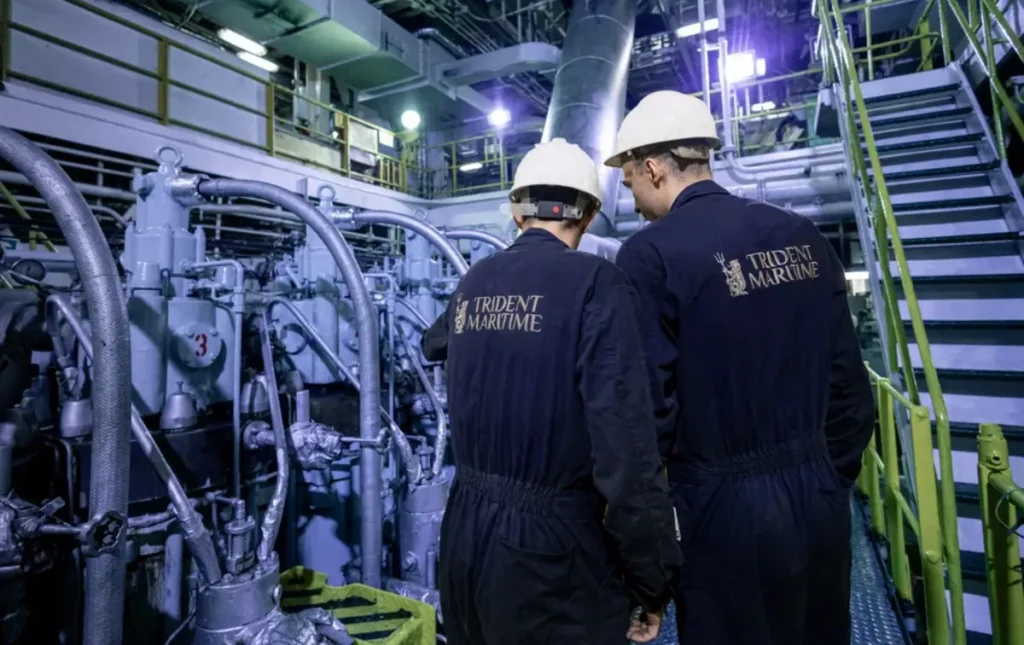
The United Arab Emirates has grown into one of the busiest maritime hubs connecting Europe, Africa, and Asia, and Dubai in particular has become a natural base for ship owners, charterers, and management companies serving Gulf and Indian Ocean trade routes. For owners registering vessels or basing operations in the region, understanding how third-party ship management works — and what it actually covers — is worth a closer look before signing a management agreement.
What Third-Party Ship Management Actually Includes
At its core, ship management means a specialist company takes over some or all of the operational responsibilities that would otherwise sit with the owner’s own staff. This typically breaks down into a few distinct service lines:
Technical management covers maintenance planning, dry-docking coordination, spare parts procurement, and ensuring the vessel stays compliant with class society requirements and flag state regulations. Crew management handles recruitment, STCW certification checks, payroll, and MLC 2006 welfare compliance for seafarers aboard the vessel. Commercial management, where included, covers chartering and freight arrangements, though many owners in the Gulf region prefer to keep this function in-house while outsourcing the operational side.
Why the Gulf Region Presents Its Own Considerations
Vessels trading through the Strait of Hormuz, the Red Sea approaches, and Gulf ports face a specific mix of operational factors: higher ambient temperatures affecting machinery performance, seasonal weather patterns during the shamal season, and a regulatory environment shaped by both international conventions and regional port authority requirements. A management company with an established presence and local knowledge in the UAE is generally better positioned to handle port agency coordination, customs clearance, and crew changes efficiently in this specific trading area, compared with a manager operating purely from a distant head office.
Questions Worth Asking Before Choosing a Manager
Not all ship management companies offer the same scope or quality of service, and owners evaluating options should look closely at a few practical points: How many vessels does the company currently manage, and in what segments? What is their track record with port state control inspections — a high detention rate is a red flag regardless of how the sales pitch reads. Do they maintain their own crewing department with direct relationships to manning agents and maritime academies, or do they subcontract crewing to a third party, which adds a layer of cost and reduces accountability. And critically, what is their responsiveness during an actual emergency — a technical failure or a crew medical incident tests a management company far more than a routine dry-docking ever will.
A Growing Segment of the Regional Market
As trade volumes through Gulf ports continue to grow and owners increasingly weigh the cost of maintaining in-house technical and crewing departments against the efficiency of outsourcing, third-party management has become a standard part of how mid-sized fleets operate in the region. Companies offering these services to the Gulf market, including https://trident-maritime.com/en, combine international ship management standards with the regional presence needed to serve owners operating across UAE-linked trade lanes.
For any owner weighing the decision, the starting point is usually the same: get clear on which functions genuinely need to stay in-house, and which are better handled by a specialist with the scale, systems, and local knowledge to run them efficiently.
Related articles
 Business
How Harmonic Distortion Impacts Energy Efficiency
Key Takeaways: Harmonic distortion can adversely impact power quality in a number of ways. Commonly associated issues include: Increased heat loss Higher…
Read more Business
Інвертор Deye плюс акумулятор SE-G5.1 Pro-C: як зібрати надійну систему живлення
Переваги поєднання інвертора та акумулятора для дому Сучасні енергетичні рішення для дому стають дедалі актуальнішими. Поєднання таких пристроїв, як інвертор гібридний Deye…
Read more Business
Від Delta 3 до Delta Pro 3: як зростає потужність зарядних станцій EcoFlow
Основні відмінності між моделями EcoFlow Delta Сучасна зарядна станція EcoFlow DELTA 3 (https://ecoflow.com.ua/zariadna-stantsiia-ecoflow-delta-3-1024wh-1800w-efdelta3-eu/) відкриває новий рівень автономності для дому та подорожей. Серія…
Read more Business
Why Catalytic Converter Price Quotes Vary Between Recyclers
If you request quotes for the same catalytic converter from several recyclers, the numbers may be surprisingly different. One buyer might offer…
Read more Business
A Practical Guide to Plumbing Services for Homes and Businesses
Plumbing is one of those parts of a building that nobody thinks about until something goes wrong. A dripping tap, a slow…
Read more Business
How to Choose the Right Event Exhibition Company in Dubai
Do you know that Dubai has established itself as one of the world's leading destinations for exhibitions, conferences, and business events? For…
Read more