7 Industries Benefiting Most from Equipment Leasing in 2025
Read Time:3 Minute, 57 Second
Business environments change quickly; therefore, staying ahead of the curve usually requires changing financial plans to reflect wiser ideas. For companies looking for flexibility, cost management, and access to modern technologies, equipment leasing has become their first choice. Particularly for industries dependent on large machinery, advanced tools, or specialized gear, leasing’s advantages become increasingly apparent as 2025 unfolds.
Medical Services
The healthcare sector changes all the time as technological innovations redefine patient treatment. Maintaining innovation, though, comes at a great cost. Getting cutting-edge diagnostic tools, imaging technology, and surgical systems without busting their budgets is a difficulty for hospitals, clinics, and private practices.
Opting for equipment leasing company gives a lifeline by giving access to cutting-edge technologies without a large initial outlay. Regular equipment upgrades made possible by leasing help healthcare providers guarantee patients receive the finest treatment and prevent obsolescence. This strategy also helps control cash flow, enabling companies to allocate funds for hiring, building improvements, and research projects.
Agriculture
Many countries’ backbone is their agriculture. Hence, farmers are under more and more pressure to produce more while reducing their environmental effects. Modern farming mostly depends on sophisticated tools such as precise irrigation systems, automated harvesters, and GPS-activated tractors. Still, these devices can have outrageous price tags.
Leasing lets farmers have access to modern tools without depleting their means. It also gives the adaptability needed to fit shifting seasons, crop needs, and market situations. Agricultural companies may invest in sustainable practices, increase efficiency, and remain competitive in a market fast changing by leasing rather than buying.
Construction
Because building projects of all kinds call for heavy gear, tools, and vehicles, the sector is naturally capital-intensive. From cranes to excavators, equipment ownership and maintenance can tax even the biggest builders.
By lowering the financial load of acquiring and maintaining gear, equipment leasing is a sensible answer. Leasing also guarantees businesses may grow their operations to satisfy project needs without stressing equipment obsolescence. Leasing allows building companies the flexibility to flourish, whether their needs are temporary for a particular project or long-term to stay competitive.
Technology
Although the IT sector is known for ongoing innovation, keeping at the cutting edge calls for regular hardware, software, and other tool improvements. Managing these costs while growing their operations is a difficulty for both startups and established businesses.
Leasing gives companies a strategic benefit as it lets them get the newest technologies without paying big upfront expenses. This paradigm guarantees businesses can remain competitive, draw top personnel, and produce creative ideas. Leasing agreements may sometimes include maintenance and assistance, therefore lowering running expenses and problems.
Manufacturing
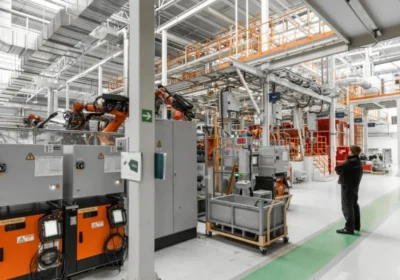
Maintaining efficiency and output in manufacturing requires advanced tools and machines. Buying these technologies outright, however, might tie off funds meant for innovation, staff development, or market expansion.
Leasing allows producers to have premium tools free from the financial burden of ownership. It also provides the adaptability needed to meet shifting consumer tastes, seasonal variations, and varying manufacturing demands. Leasing lets producers concentrate on streamlining processes, raising product quality, and maintaining competitiveness in a market becoming global.
Education
From K–12 classrooms to colleges, educational institutions struggle to give students contemporary learning tools with limited resources. Getting the newest technologies—from interactive whiteboards to computer laboratories to 3D printers—is crucial for equipping kids for the future.
Leasing provides colleges with a reasonably priced approach to acquiring modern tools without incurring significant upfront costs. Regular improvements made possible by this strategy also guarantee instructors and students always have access to the newest technologies. Leasing offers a sensible way for organizations to try to maximize their resources to be innovative and develop.
Retail
Thanks in great part to technology, the retail scene has changed dramatically in recent years. From digital payment systems to automated inventory control and interactive displays, remaining relevant calls for ongoing new tool and technology investment.
Leasing keeps stores flexible in a field marked by fast change. Businesses may free more funds for marketing, customer experience, and online development by eliminating the expense of ownership. Leasing also helps stores to test new technology and change with consumer tastes free from long-term commitment.
Conclusion
Leasing equipment has evolved as the pillar of success in many different sectors. Leasing helps companies to expand free from the weight of ownership by providing financial flexibility, access to the newest technology, and adaptability to changing needs. As businesses negotiate an always-shifting terrain in 2025, leasing is a wise, forward-looking decision for those trying to flourish.
Author Bio
Jenny Fries is a freelance writer specializing in technology, business, and health. She offers expert blogging and content writing services focused on SEO. When not crafting compelling content, Jenny enjoys traveling, cooking, and planning her next vacation.

Happy
0 %

Sad
0 %

Excited
0 %

Sleepy
0 %

Angry
0 %

Surprise
100 %
 0
0
 2
2