Everything You Need to Know About Social Engineering Attacks
Read Time:4 Minute, 26 Second
For a long time, I believed that scammers always used sophisticated and advanced hacking techniques to exploit innocent people. However, it was when my grandfather was lured by scammers into revealing sensitive information that I understood the psychological weapons hackers used.
Such techniques are famously known as social engineering attacks. Hackers psychologically manipulate victims into revealing crucial information such as social security numbers, bank accounts, or credit card information.
That said, I couldn’t save my grandfather, but since then, I’ve decided to spread the word about social engineering attacks.
Here, starting with the types of social engineering attacks, I’ll provide a few countermeasures so you can defend yourself and your loved ones from such attacks.
So, let’s start!
Types of Social Engineering Attacks
Hackers can conduct social engineering attacks in several ways. However, one common factor among all these attacks is that bad actors first try to gain their victim’s trust, and then exploit them.
Anyway, let’s have a look at some major types of social engineering attacks:
Phishing
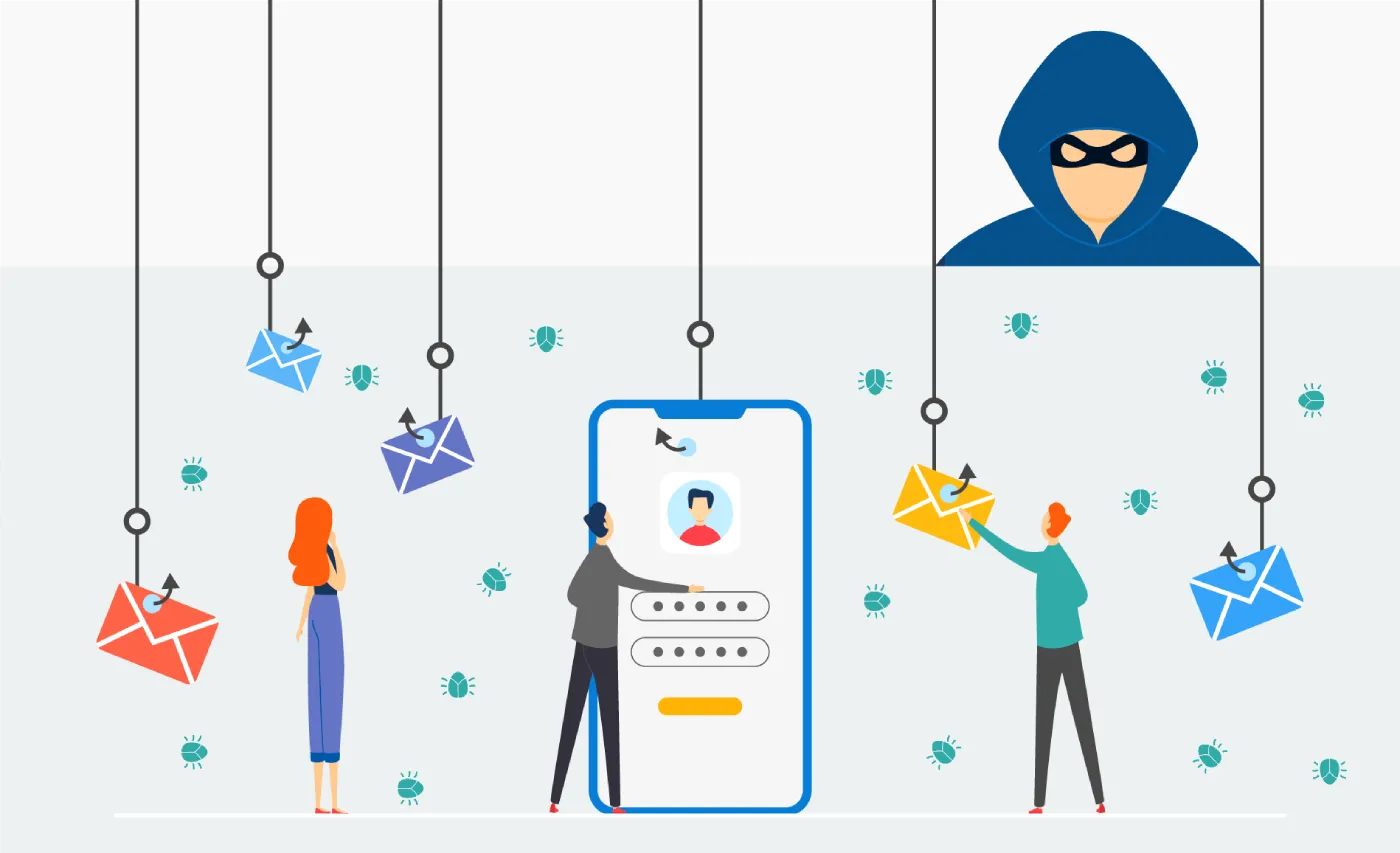
It is one of the most common malicious techniques used by hackers. In phishing, hackers reach out to their victims via different communication channels, such as SMS, email, WhatsApp, social media, etc.
Hackers pretend to be a legitimate entity, such as a government employee, social security officer, bank employee, etc, to gain their victims’ trust. Then, they can ask their victim to reveal personal information or send a malicious link to their device.
Additionally, scammers can also create urgency so the victims do as they say, and ultimately, steal all the information they need to commit fraud.
Malware
This is another famous type of social engineering attack where hackers lure their victims into installing malicious software. To achieve this goal, hackers can send emails or simply reach out on social media platforms.
Plus, you may also receive a random pop-up stating “Your device is infected” or similar messages to create urgency. Innocent people can easily fall prey to this trap, and as soon as they click or download such software, their devices and the data stored on them get compromised.
Baiting
As the name indicates, hackers use a lucrative bait to trap their victims. They can use malvertisements, such as high-paid job ads on different websites. Plus, they can also leave malicious USBs or QR codes at public places.
Other than this, hackers can also make false promises to their victims or honeytrap their victims.
How To Stay Safe From Social Engineering Attacks?
Social engineering attacks are particularly difficult to avoid. Since hackers usually target human psychology and disguise themselves as a legitimate entity, identifying and stopping them in their tracks can be challenging.
Having said that, the following countermeasures can be highly effective against social engineering attacks.
Use a Reliable Internet Connection
Besides physical baiting, most social engineering attacks are organized via the internet.
Hence, it becomes increasingly important to secure your connection. Fortunately, there are many Internet Service Providers (ISPs) that take extreme security measures to protect the connected devices.
For instance, I advised my grandfather to subscribe to AT&T Internet after the unfortunate event. The ATT Internet plan I was subscribed to has their ActiveArmor feature, which secured my connection from online threats lurking on the internet. Additionally, it actively notified me if my personal information was leaked and helped me outplay the bad actors on the internet.
So, just like I secured my grandfather’s connection, ensure you subscribe to one that warns and protects you from malicious threats on the internet.
Never Share Sensitive Information
It is never a great idea to share any piece of sensitive information with anyone on the internet. One of the foundations of initiating a social engineering attack is to gain the victim’s trust and lure them into revealing information themselves.
Also, even if someone you trust asks you for information like bank details, social security number, health insurance, etc, never share it on the internet.
You never know if it’s the right person or if a bad actor is impersonating them.
Use Two-Factor Authentication
Two-Factor Authentication or 2FA can be quite handy in protecting sensitive apps, such as banking or social media apps. Even if your data is accidentally leaked, 2FA can ensure that no bad actor can access such apps.
Generally, 2FA can include fingerprint entry, SMS code, email, or other validation methods to ensure that it’s really you who’s trying to access those apps.
Keep Your Devices and Apps Updated
Our devices and apps regularly receive software updates. Besides introducing new features, these updates can contain bug fixes and vital security patches.
Such security patches can offer protection against online threats, especially malware attacks. As the security of our devices and apps gets more advanced with such updates, they can efficiently counter new and advanced malicious techniques employed by the bad actors.
Frequently Asked Questions
Can hackers create fake websites to organize social engineering attacks?
Yes, hackers can create fake websites, upload malicious ads, post fake job posts, etc, to organize different social engineering attacks.
Do social engineering attacks target corporate employees?
Yes, corporate employees can be targeted by social engineering attacks. Bad actors can impersonate a company executive and try to get hold of crucial business information.

Happy
0 %

Sad
0 %

Excited
0 %

Sleepy
0 %

Angry
0 %

Surprise
100 %
 0
0
 2
2