
How Payment Methods Have Transformed From Cash to Biometrics
Read Time:3 Minute, 19 Second
The way we pay for goods and services has undergone a massive transformation over the years. From the days of cash transactions to today’s biometric payment solutions, technological advancements have shaped the financial landscape, making transactions faster, more secure, and more convenient. This evolution reflects the changing consumer behavior and the increasing need for seamless and secure payment methods.
The Era of Cash Transactions
For centuries, cash was the primary medium of exchange. People relied on coins and paper money to conduct transactions, and this system worked well for a long time. However, carrying cash came with risks, such as theft, loss, and counterfeiting. Additionally, managing large amounts of cash became cumbersome for businesses and individuals alike.
The Introduction of Checks and Cards
The introduction of checks provided an alternative to carrying cash, allowing people to make payments without the need for physical money. However, the process was time-consuming, requiring banks to verify and process transactions manually.
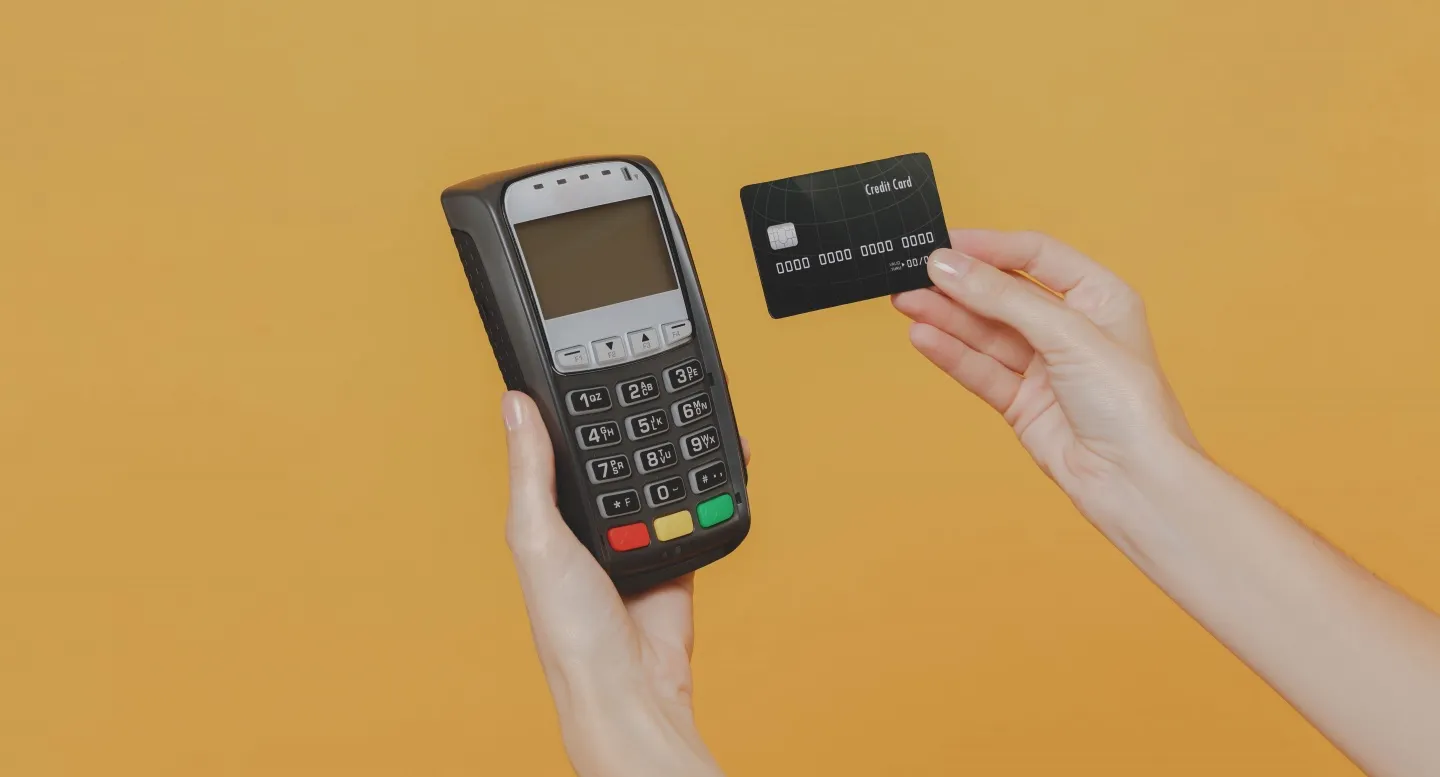
The next major breakthrough came with the introduction of credit and debit cards in the mid-20th century. These plastic cards revolutionized the payment industry by offering a convenient and secure way to make purchases. Payment networks like Visa and Mastercard enabled seamless transactions, allowing people to shop without needing cash in hand.
The Rise of Digital and Mobile Payments
With the rise of the internet and smartphones, digital and mobile payments became the next big leap. Online banking, e-wallets (such as PayPal, Apple Pay, and Google Pay), and mobile payment apps transformed the way people conducted financial transactions. Consumers could now make payments with just a few taps on their smartphones, eliminating the need for physical cards or cash.
Contactless Payments and NFC Technology
Near Field Communication (NFC) technology further simplified transactions by enabling contactless biometric payments. Consumers could simply tap their credit or debit cards, smartphones, or wearables on payment terminals to complete transactions instantly. This method gained popularity due to its speed and convenience, especially during the COVID-19 pandemic, when contactless transactions were encouraged for hygiene reasons.
The Shift to Biometric Payments
Today, biometric payment methods are emerging as the future of financial transactions. Biometrics, which include fingerprints, facial recognition, and even iris scans, offer an advanced level of security and convenience. Apple’s Face ID and Touch ID, along with similar technologies from other companies, have paved the way for secure authentication in digital transactions.
How Biometric Payments Work
- Fingerprint Scanning: Users authenticate payments by scanning their fingerprints, ensuring that only authorized individuals can access their financial accounts.
- Facial Recognition: This technology maps the user’s facial features and verifies their identity before approving a transaction.
- Iris and Voice Recognition: Some payment providers are experimenting with iris and voice recognition to further enhance security.
Benefits of Biometric Payments
- Enhanced Security: Biometrics reduce the risk of fraud, as fingerprints and facial features are unique to each individual.
- Convenience: No need to remember passwords or carry cards; payments can be authenticated in seconds.
- Speed and Efficiency: Transactions are processed instantly, making checkout lines shorter and improving the overall customer experience.
The Future of Payment Methods
As technology continues to evolve, biometric payments are expected to become even more sophisticated. Innovations such as palm vein scanning and brainwave authentication could redefine how we interact with financial systems. Additionally, blockchain and decentralized finance (DeFi) could further enhance security and transparency in digital transactions.
The transition from cash to biometrics reflects society’s growing reliance on digital solutions for everyday activities. Businesses and consumers alike are embracing these advancements, paving the way for a more secure and efficient financial ecosystem.
Final Thoughts
The evolution of payment methods from cash to biometrics demonstrates how technology continues to shape our financial habits. With security, convenience, and efficiency as key driving factors, biometric payments are poised to become the standard in the near future. As we move forward, businesses and consumers must adapt to these innovations to stay ahead in the ever-changing financial landscape.

Happy
0 %

Sad
0 %

Excited
0 %

Sleepy
0 %

Angry
0 %

Surprise
100 %
 0
0
 1
1