Planning Your Supermarket’s Cold Storage Room
Read Time:4 Minute, 59 Second
Cold rooms feature in many types of companies across various industries. Pharmaceutical companies need them to store medicine and supplies. Medical facilities, hospitals, and research laboratories use them to preserve blood, organs, and specimens. Farmers and agricultural organizations store their harvest in cold storage facilities to minimize spoilage.
Like the above companies, supermarkets and grocery stores must also work with cold room manufacturers. They need to preserve perishable items and store frozen goods.
What Are Cold Rooms and Why Do Supermarkets Need Them?
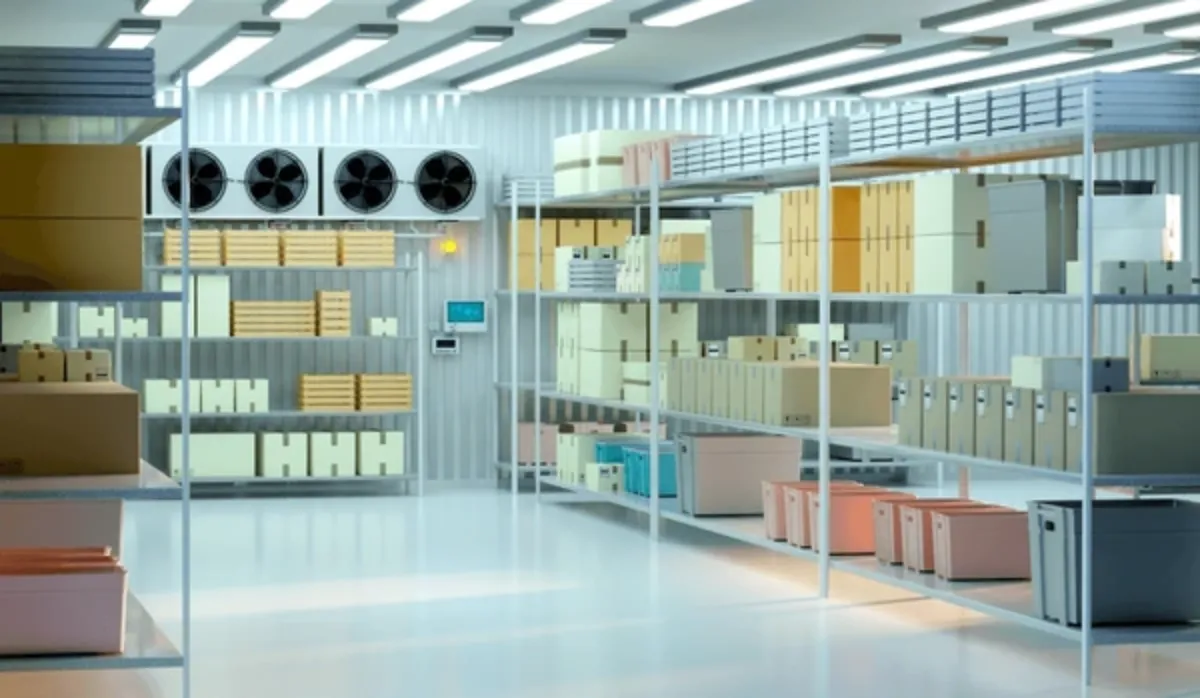
Cold storage rooms are enclosed spaces dedicated to storing temperature-sensitive products and materials. They’re like walk-in refrigerators or freezers.
Cold rooms benefit supermarkets in the following ways:
- Bulk holding power: Take advantage of wholesale pricing and delivery efficiencies.
- Inventory flexibility: Manage peak demand (e.g., holidays, weekends) without scrambling to order last-minute to fulfill demand forecasts.
- Compliance and safety: Stay compliant with Hazard Analysis and Critical Control Points (HACCP) guidelines and food safety regulations.
- Freshness control: Replenish display stocks while keeping backup products chilled at optimum temps.
What Are the Different Types of Cold Rooms According to Temperature Range?
There are different types of cold rooms depending on the temperature range they maintain. Supermarkets may have more than one type.
- Positive-temperature cold rooms: A positive-temperature cold room maintains low but not freezing temperatures. It operates at a temperature range of 0-10 °C (32-50 °F) and is used to preserve and store perishable items like fruits, vegetables, and cheeses. Supermarkets may also utilize it to keep their backup stock of beverages, keeping drinks chilled and ready for deployment to the front-of-house as needed.
- Negative-temperature cold rooms: A negative-temperature cold room maintains freezing temperatures, specifically a temperature between 0 °C and -28 °C (32 °F and -18.4 °F). Supermarkets need this type of cold room to store frozen products, including ice cream and frozen beef, fish, prawns, pizza, snacks, and meals.
- Deep-freezing tunnels: A deep-freezing tunnel maintains even lower temperatures, particularly a temperature range between -30 °C and -40 °C (-22 °F and -40 °F). It rapidly and evenly freezes products, which prevents ice crystals from forming, sealing in the product’s freshness and maintaining stellar food quality. A deep-freezing tunnel is a sealed chamber, so items that require deep freezing are sent in on a conveyor belt and come out deeply frozen, ready for long-term storage in a negative-temperature cold room.
- Temperature-blast chillers: A temperature-blast chiller is a cold room designed for rapid cooling. It’s useful for supermarkets that make their own hot food items, which must then be stored in a refrigerator or a positive-temperature cold room until someone buys them. Rapid cooling or chilling keeps food away from the danger zone of 5-60 °C (approximately 40-140 °F), the temperature range at which food poisoning bacteria multiply quickly and to which slowly cooling food is inadvertently exposed.
Cold Room Planning Tips
Cold rooms must be properly planned to ensure they work as expected and can accomplish their purpose. Here are a few essential tips before constructing your supermarket’s cold room storage.
- Design for workflow, not just storage.
Cold rooms are primarily for storage, but their contents must be accessible to your staff for efficiency. Sit with your back-of-house personnel, particularly the staff or team in charge of replenishing display chillers and freezers and those responsible for storing products in cold rooms, to discuss their workflow (i.e., how they work).
What do they usually need from cold storage? How often do they need to go inside? How tall should the shelves be and how wide are the aisles? Ask your staff to describe their usual working day to gain workflow insights.
Furthermore, remember not to cram your cold room space. A cold room is not a dead-end storage, and it must be designed with the safe movement of your staff and efficient stock checks and rotation in mind.
- Temperature zoning is important.
Ideally, you will have separate cold rooms for items that require refrigerated storage and frozen products. If you can’t have both a negative-temperature and a positive-temperature cold room, you can build a room with clear temperature zones. Your positive-temperature cold room can lead to an inner, enclosed zone that maintains negative temperatures.
- Carefully plan drainage.
Improper drainage causes standing water, slip hazards, mold, other contaminants, and faster floor degradation. Position floor drains where condensate naturally flows.
- Train your staff.
Establish standard operating procedures (SOPs) for cold-room ingress and egress and thoroughly train your staff to follow them. These SOPs will ensure your compliance with food storage regulations, contribute to cold-room efficiency, and improve the longevity of your cold-room equipment.
- Work with a cold room expert.
Delegate your cold-room construction project to a company with a proven track record and experience in building cold rooms for supermarkets. They will have insights and knowledge they can impart to you, which can help you mitigate risks and avoid pitfalls.
- Use only quality materials and equipment.
Your compliance and the longevity of your products (and, thus, avoidance of fines and losses due to spoilage) depend on how well your cold room does its job. Make sure your cold room can perform reliably by using only high-quality panels and refrigeration equipment.
Cold Room: A Must for Supermarkets
Supermarkets require cold rooms for preservation and long-term storage. Plan yours with the help of a cold room and refrigeration expert, and build your cold storage using high-quality materials and equipment.
AUTHOR BIO
Jinky Elizan works as a content specialist for SEO Sherpa. She has 18 years of experience crafting long-form content on various topics, including cold rooms and cold storage. She also develops WordPress websites in her spare time, enhancing her ability to optimize website copy for reader engagement and action.
Profile: https://www.linkedin.com/in/jinkyelizan/

Happy
0 %

Sad
0 %

Excited
0 %

Sleepy
0 %

Angry
0 %

Surprise
100 %
 0
0
 2
2