
Corporate Tax Registration Deadlines in the UAE
Read Time:2 Minute, 38 Second
Missing a corporate tax registration deadline in the UAE can cost your business thousands in penalties. The Federal Tax Authority sets strict timelines, and they enforce them consistently. Understanding these deadlines is your first step toward compliance.
The main rule is simple: register within six months of the end of your first fiscal year. For most companies, if you incorporate in January with a December 31 fiscal year end, you must register by June 30 of the following year. This window gives you reasonable time to gather documents.
A six-month window sounds generous, but procrastination is costly. Many business owners miss deadlines because they underestimate document gathering time. The FTA won’t grant extensions. Meeting the corporate tax registration deadline in the UAE requires planning. skrooge.ai helps businesses stay on track.
Key registration deadlines explained
Your first registration deadline depends on your company’s fiscal year end. Calculate it from day one: fiscal year end plus six months. Mark this in your calendar and set reminders at the three-month mark.
Free zone companies operating with mainland income face the same six-month rule. Foreign branches registered in the UAE follow identical timelines. The FTA doesn’t differentiate based on company type—the deadline applies equally to all.
If you acquired a business or underwent restructuring, registration obligations begin from the date you become subject to corporate tax. Don’t assume your old deadlines still apply. Contact the FTA through their website or consult a tax professional.
What happens if you miss the deadline
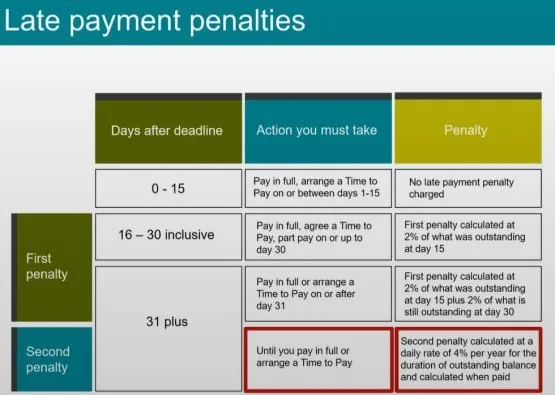
Missing the deadline doesn’t mean you can register later penalty-free. The FTA applies a 5% penalty on your tax liability immediately. If you remain unregistered after 12 months, the penalty increases to 10%. These penalties stack on top of your actual tax bill.
Late registration triggers back-tax calculations. The FTA will assess your tax liability from the original due date, and you’ll owe interest on unpaid amounts. A one-year delay on a business with AED 500,000 in taxable income could mean substantial back payments plus penalties.
The cost of business compliance protection far exceeds the cost of professional help. Penalties accumulate fast.

The deadline waiver program
The FTA occasionally offers penalty waivers for late registration. These programs apply to businesses that register after the deadline but before a specific waiver cutoff. The waiver eliminates the 5-10% penalty but doesn’t eliminate back taxes or interest.
Check the FTA website regularly for waiver announcements. These don’t happen automatically. You must register during the designated period to qualify. Even with a waiver available, registering immediately is smarter than hoping another opportunity appears.
Once you register, future deadlines matter equally. Your annual tax return is due nine months after your fiscal year ends. This deadline is equally strict and equally enforced. Missing this deadline triggers the same 5-10% penalty structure as late registration.
Plan your compliance calendar now and stick to it consistently. Treat registration and filing dates like critical business milestones. Set calendar reminders months in advance. Confirm all documents are ready well before the deadline arrives. Small businesses often find that outsourcing this task eliminates stress and ensures nothing gets missed.


Happy
0 %

Sad
0 %

Excited
0 %

Sleepy
0 %

Angry
0 %

Surprise
0 %
 0
0
 0
0