
Fire Safety Systems That Support Prevention, Detection, and Response
Read Time:4 Minute, 51 Second
Protecting buildings and the people inside them, comprehensive fire safety isn’t about relying on a single solution, it’s about layering multiple strategies that work together seamlessly. Modern fire safety systems have evolved far beyond simple smoke alarms into sophisticated networks that anticipate risks, detect threats almost instantly, and coordinate emergency responses with remarkable precision. These interconnected systems address fire hazards at every stage: preventing ignition before it happens, identifying danger at the earliest possible moment, and facilitating rapid, coordinated responses when emergencies occur. For building owners and facility managers, understanding how these three components, prevention, detection, and response, interconnect makes all the difference in developing safety strategies that truly protect both property and human life.
The Foundation of Fire Prevention Systems
Prevention remains the most cost, effective and life-preserving aspect of fire safety, focusing on eliminating ignition sources and reducing combustible materials before fires can start. Automatic sprinkler systems stand as one of the most proven prevention tools available, deploying water the instant heat reaches specific thresholds to suppress flames before they have any chance to spread throughout a building. Building design itself plays a crucial role, fire-resistant construction materials, strategic compartmentalization, and properly engineered ventilation systems create inherent barriers that slow fire progression and limit the oxygen fires need to grow. Beyond physical infrastructure, rigorous maintenance protocols ensure electrical systems, heating equipment, and other potential ignition sources stay in safe operating condition throughout their entire lifecycle.
Advanced Detection Technologies and Early Warning Capabilities
Early detection doesn’t just improve outcomes, it fundamentally changes them by providing those precious minutes that make the difference between minor incidents and catastrophic losses. Contemporary detection systems don’t rely on a single sensing method; instead, they deploy multiple sensor types including smoke detectors, heat sensors, flame detectors, and gas analyzers to identify fire signatures through various complementary means. Photoelectric smoke detectors excel at catching smoldering fires that produce significant smoke before flames become visible, while ionization detectors respond almost instantly to fast, flaming fires that generate smaller combustion particles. In environments where traditional smoke detectors might trigger false alarms, think commercial kitchens or industrial spaces with airborne particulates, heat detectors provide reliable backup protection without the nuisance interruptions.
Automated Response Mechanisms and Emergency Protocols
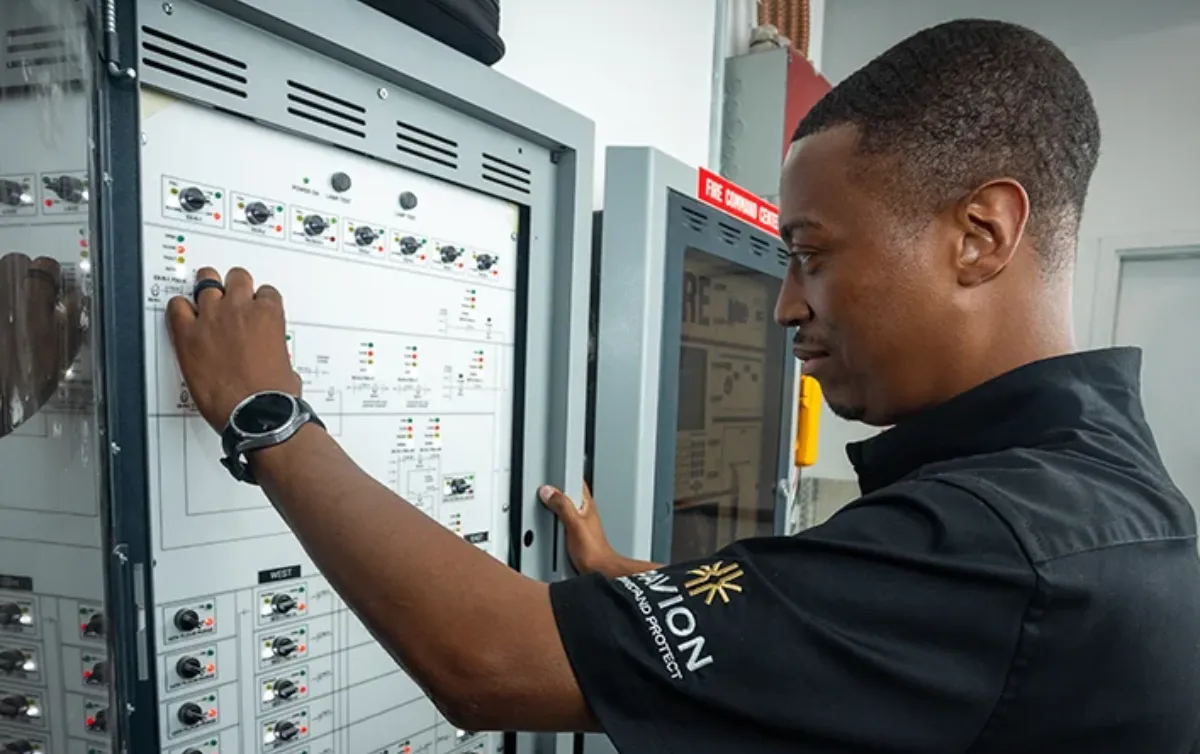
Once detection systems identify fire conditions, automated response mechanisms spring into action immediately, working to protect occupants and contain damage before it spreads. Fire alarm panels function as command centers, receiving signals from scattered detection devices, processing information according to preprogrammed logic, and triggering coordinated emergency responses across multiple building systems simultaneously. Voice evacuation systems have largely replaced simple alarm bells, providing clear, pre-recorded instructions that guide building occupants through optimal evacuation routes while significantly reducing the panic and confusion that can make emergencies even more dangerous. Emergency lighting systems ensure that even during complete power failures, exit paths and stairwells remain illuminated so people can navigate safely even through smoke-filled environments.
Integration Strategies for Comprehensive Fire Protection
The real power of modern fire safety emerges when prevention, detection, and response systems integrate seamlessly into unified protection frameworks rather than operating as separate entities. Networked fire safety platforms enable centralized monitoring and management of distributed systems across single buildings or sprawling multi-site facilities, providing real-time status updates and historical performance data that support both emergency response and long-term planning. Addressable fire alarm systems assign unique identifiers to individual detection devices, enabling pinpoint incident location identification that can shave critical minutes off response times during actual emergencies. When integrated with building automation systems, fire safety networks leverage existing infrastructure for communication pathways, power backup capabilities, and environmental monitoring purposes, maximizing protection while controlling costs. Cloud-based monitoring capabilities have transformed how facility managers maintain oversight, enabling access to critical system information from virtually any location at any time. For organizations managing multi-building campuses or geographically distributed facilities, maintaining continuous oversight becomes exponentially more complex, which is why professionals who need to ensure 24/7 supervision increasingly rely on commercial fire alarm monitoring to provide round-the-clock network supervision. Regular testing protocols verify that integrated systems communicate correctly with each other, identifying potential failures in communication pathways or control sequences before actual emergencies expose these vulnerabilities. Comprehensive documentation systems maintain detailed records of system configurations, maintenance activities, and incident histories that support both regulatory compliance verification and continuous improvement initiatives that make systems more effective over time.
Regulatory Compliance and Professional Standards
Fire safety systems operate within a complex regulatory environment that includes local authorities, national codes, and industry standards organizations, each establishing requirements that systems must meet. The National Fire Protection Association publishes comprehensive codes that serve as industry benchmarks, including NFPA 72 for fire alarm systems and NFPA 25 for inspection and maintenance of water-based fire protection systems. Building codes specify minimum fire safety requirements that vary based on occupancy classifications, building heights, construction types, and specific hazards associated with different activities. Regular inspections by certified professionals verify that systems maintain compliance throughout their operational lifespans, identifying deficiencies and flagging required upgrades before they become critical problems.
Conclusion
Comprehensive fire safety systems represent far more than regulatory checkboxes, they’re critical investments in protecting lives and property through carefully integrated prevention, detection, and response capabilities that work together seamlessly. The most effective protection strategies combine multiple complementary technologies with professional design, installation, and ongoing maintenance services to create resilient frameworks that continue performing reliably year after year. As fire safety technologies continue advancing through smart building integration, artificial intelligence applications, and enhanced communication capabilities, building owners gain access to increasingly sophisticated tools for managing fire risks in ways that weren’t possible even a decade ago. Regular evaluation and updating of fire safety systems ensures continued compliance with evolving standards while incorporating technological improvements that genuinely enhance protection effectiveness rather than just adding complexity.

Happy
0 %

Sad
0 %

Excited
0 %

Sleepy
0 %

Angry
0 %

Surprise
100 %
 0
0
 1
1