
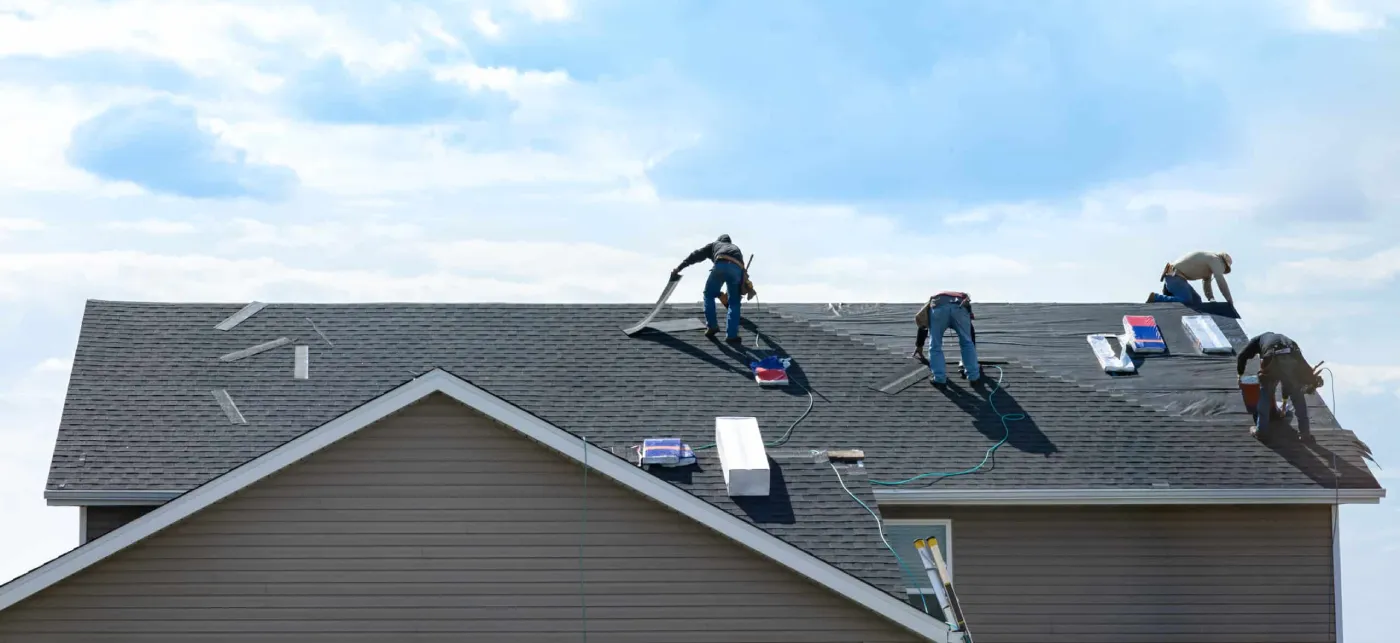
Why Ceiling Spots Often Point to Problems You Cannot See From the Ground
Read Time:6 Minute, 14 Second
A ceiling stain rarely starts where you can see it. What shows up as a faint ring or a patch of discoloration is often the final stop in a much longer path. Moisture can move through shingles, underlayment, decking, insulation, and drywall before it becomes visible indoors. That delay is what makes these spots easy to underestimate.
For homeowners trying to make sense of the warning signs, early action matters more than guesswork. A stain near a vent, light fixture, or outside wall does not always point to the exact source. In many cases, the real issue sits several feet away. That is why people often turn to roofing services ogden when a ceiling spot appears and does not seem to match anything obvious overhead.
Why Ceiling Spots Are So Often Misread
Most people assume a stain means water is entering directly above it. Roofing problems do not usually work that neatly. Water follows gravity, but it also follows framing, seams, and anything else that gives it an easier route. It can cling to wood, run along a beam, or collect on the surface of drywall before finally soaking through.
That creates a common problem. A homeowner sees one mark and treats only the visible symptom. The stain gets painted over, the ceiling dries out, and everyone hopes it was minor. Then the spot returns after the next storm or after the snow begins to melt. By then, the leak has had more time to damage the surrounding materials.
Ceiling spots are often the first indoor sign that moisture has been moving through the structure for some time. The stain may be small, but the underlying problem may not be.
The Roof Components Most Likely to Be Involved
When water reaches the ceiling, the issue is often tied to one of a few weak points in the roofing system. Flashing is one of the biggest trouble areas. The metal pieces around vents, chimneys, skylights, and wall transitions are meant to direct water away from openings. When flashing loosens, corrodes, or is installed poorly, water seeps into areas that shingles cannot protect on their own.
Shingles can also fail in less dramatic ways than people expect. A roof does not need a gaping hole to leak. Lifted edges, cracked tabs, exposed nails, and worn sealant can all allow water entry. In older roofs, repeated repairs may leave several patched areas that do not work together as cleanly as the original system.
Then there is the roof edge, where drainage problems can quietly push water back toward the house. If gutters are clogged or damaged, runoff may collect where it should not. Over time, that moisture can work its way into the roof assembly and begin the slow process that ends with a ceiling spot indoors.
Why Seasonal Weather Makes Hidden Leaks Worse
Roof leaks often become visible during weather shifts rather than during one dramatic event. Snow, ice, wind, and heat each stress roofing materials in different ways. A roof that looks mostly fine from the yard may still be opening up along seams, flashing lines, or penetrations.
In winter, melting snow can refreeze near colder edges, creating a barrier that traps water higher up the roof. Once water sits in the wrong place long enough, it starts looking for a path inward. Freeze-and-thaw cycles also widen tiny openings. A crack that seemed insignificant in dry weather can become a real entry point when temperatures swing.
Summer creates a different kind of wear. Heat and ultraviolet exposure dry out roofing materials over time. Shingles can become brittle and less flexible. Attics that hold too much heat can also age the roof from below. Then, when a storm arrives, materials that were already stressed give way faster.
That is one reason roofing services ogden are often called after the stain appears rather than when the roof first starts failing. The visible indoor sign tends to show up late.
Signs the Problem May Be Larger Than the Spot Itself
A ceiling stain does not always indicate extensive damage, but it can signal that the problem runs deeper than a minor leak. The clearest sign is movement. If the stain gets larger, turns darker, or comes back after the area seems dry, water is still getting in somewhere.
Other surface changes can tell the same story. Paint that bubbles, drywall that feels soft, seams that start to pull apart, or areas that begin to sag usually mean moisture has been sitting there longer than anyone thought. A stale or musty odor can also indicate damp insulation or wood that remains wet. In the attic, wet insulation, dark marks on the decking, or small points of visible light around penetrations are all signs that the issue is still active.
Utility changes can also be part of the picture. A roof leak does not always act alone. Poor ventilation can trap heat and moisture in the same area, which makes the problem harder to spot at first. If the house feels more humid than usual or energy bills start climbing for no clear reason, hidden moisture above the ceiling may be affecting more than one part of the home.
What a Good Inspection Should Actually Do
A real roof inspection should connect the indoor symptom to the outdoor cause. That means looking beyond the stain and tracing how water may be moving through the structure. A glance at the ceiling is not enough. The roof surface, flashing, drainage, attic condition, and nearby penetrations all need to be evaluated together.
Good inspections also separate repairable problems from signs of broader failure. In some cases, the issue is isolated and can be fixed cleanly. In others, the visible stain is just the first clue that the roof is aging unevenly or has multiple weak areas. Homeowners deserve a clear explanation of which situation they are dealing with.
The best assessments are specific. They explain what failed, why it failed, and what happens if it is left alone. That kind of clarity matters because roof work becomes expensive when the wrong thing is repaired first.
Why Waiting Usually Costs More
Ceiling spots are easy to put off because they often seem minor at first. Once the stain dries, it is common to think the problem has passed. In reality, a leak does not have to be constant to cause damage. Even occasional moisture can weaken drywall, leave lasting marks, flatten insulation, and create damp conditions that lead to rot or mold.
The longer moisture remains in place, the less likely the repair will remain limited to one area. What might have been a straightforward roof fix can expand into replacing insulation, repairing interior surfaces, repainting ceilings, or addressing damaged decking. By the time the ceiling stain becomes hard to ignore, the leak has often been active longer than it first appeared.
Final Thoughts
A ceiling spot is rarely just a ceiling problem. It is often a sign that moisture has already traveled through materials you cannot see and may still be moving through them. That is what makes these marks worth taking seriously, even when they look small.
The better approach is to treat the stain as a warning, not the whole problem. Finding the source early usually makes the repair more direct and less expensive than waiting for the damage to spread. What shows up on the ceiling is often just the last visible sign of a problem that began much higher up.

Happy
0 %

Sad
0 %

Excited
0 %

Sleepy
0 %

Angry
0 %

Surprise
100 %
 0
0
 1
1